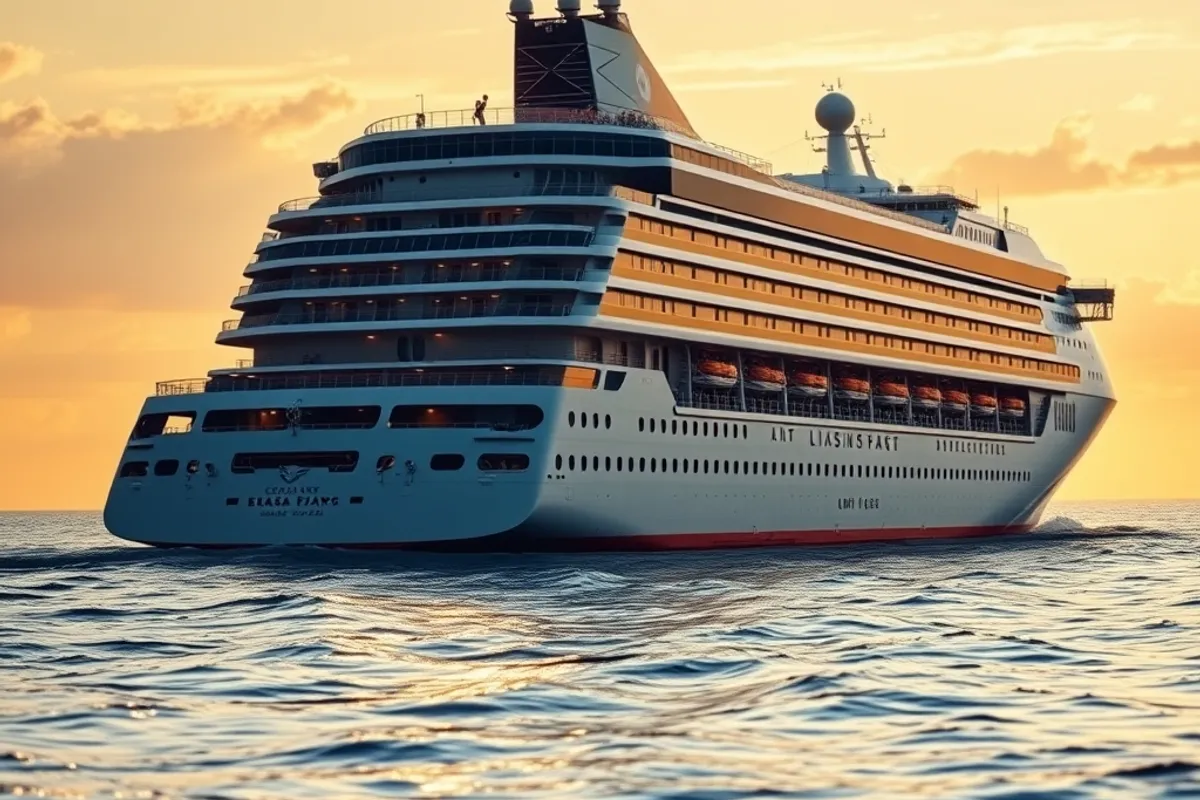
A cruise is a hotel, a restaurant and a transport network moving together. The cabin you choose decides how much you sleep, how much you hear and how much you walk. The itinerary decides whether you actually see the places on the brochure.
This guide breaks down cabin categories, position on the ship and itinerary design, so you can compare two cruises on the things that matter instead of the deck plan artwork.
Key facts
- Inside, oceanview, balcony and suite are the four main categories, with many sub-grades inside each.
- Midship, low decks feel the least motion; aft and high decks feel the most.
- A balcony is worth most on scenic itineraries and least on port-heavy trips where you are ashore all day.
- Port-intensive itineraries suit sightseeing; sea-day-heavy itineraries suit relaxation and onboard spending.
- A guarantee cabin can save money but gives up control of location.
What each cabin category really means
An inside cabin has no window and is usually the cheapest. An oceanview cabin has a window but no opening. A balcony adds outdoor space and light. A suite adds space, priority and often a lounge, at a price that can double the fare.
Within each category there are grades. The difference is usually deck and position, not size. Two balconies sold as the same category can feel very different: one above the theatre, one on a quiet corridor near the spa. Check the deck plan before you accept a grade.
Position on the ship: motion, noise and light
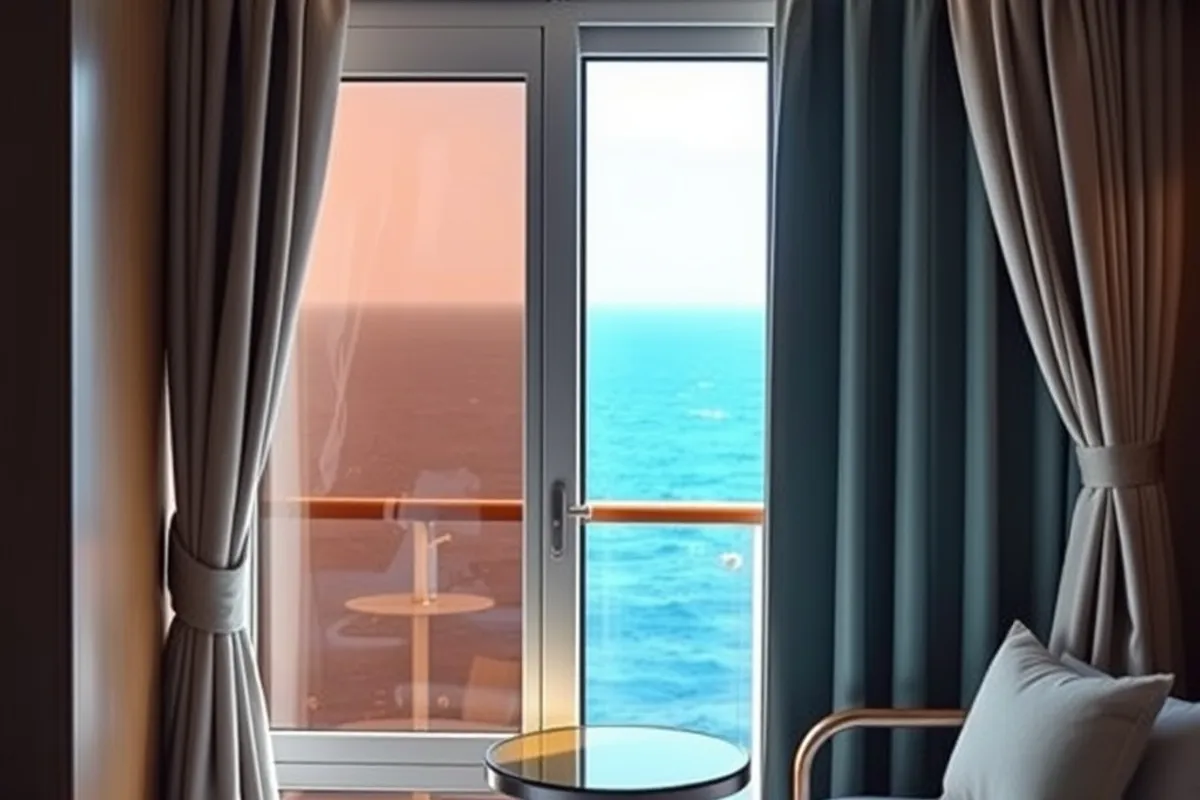
Motion is lowest near the middle and low on the ship. If you are sensitive to movement, midship and a lower deck are the safest choice. Aft cabins can have a gentle vibration and more movement in rough weather; forward cabins pitch the most.
Noise is the other factor. Cabins under the pool deck, above the theatre or beside the lift lobby are convenient but not quiet. Light matters too: an inside cabin needs a careful wake-up routine, because there is no sunrise to help you.
Choosing an itinerary that fits the trip
Port-intensive itineraries give you a new place most days and little time to use the ship. Sea-day-heavy itineraries give you the pool, the spa and the entertainment, but fewer destinations. Neither is better; they are different holidays.
Look at arrival and departure times, not just port names. A call from 7am to 2pm is a morning, not a day. Check tender ports, where the ship anchors offshore and the transfer takes time, and count how many ports are on consecutive days. Three big cities in three days sounds exciting until you are exhausted.
When a balcony is worth the money
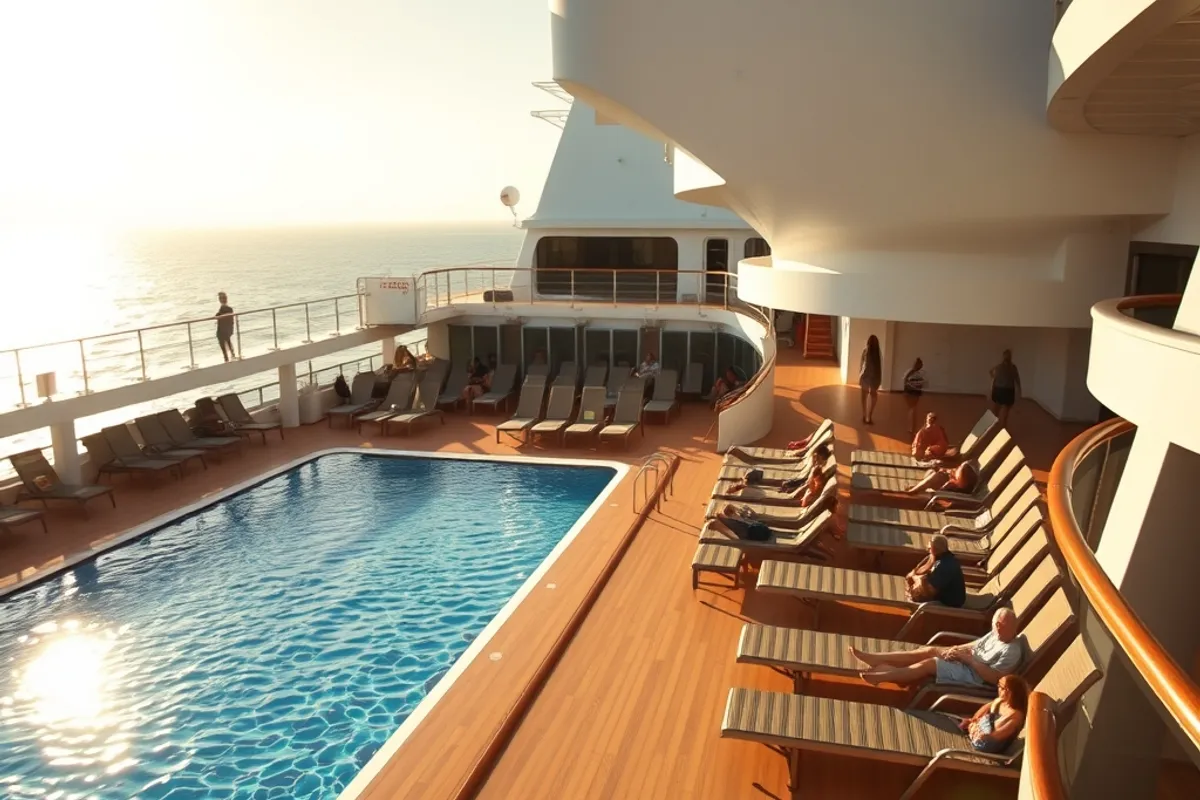
A balcony earns its price on scenic routes: fjords, glaciers, island approaches and night transits. It also earns it if you use the cabin to escape crowds and read in private. On a port-heavy trip where you leave early and return late, it is mostly an expensive piece of furniture.
Check the type of balcony too. Some are overlooked, some are enclosed by steel, and some have a restricted view from a lifeboat. A guarantee balcony can be assigned anywhere, including the least desirable position. If the view is the reason you are paying, choose the cabin.

The brochure sells the sea. The deck plan and the port times decide what you actually get.
Fare rules, gratuities and what is extra
Cruise fares usually include the cabin, main dining, some entertainment and transport between ports. They usually exclude drinks, speciality restaurants, Wi-Fi, spa, excursions and gratuities. Those extras can add 20 to 40 percent to the headline price.
Read the cancellation policy before paying a deposit. Cruise deposits are often non-refundable and the penalty schedule can be steep close to departure. A travel insurance policy that covers cruise-specific risks is usually cheaper than losing a deposit.
Matching the cabin to the traveller
Solo travellers should compare the single supplement against purpose-built solo cabins and studio lounges. Families should look at connecting cabins and third and fourth berth costs, which can be cheaper than a suite. Couples who want quiet should avoid cabins near the kids club.
If you plan to spend most of the day outside the cabin, an inside or oceanview room frees budget for excursions and dining. If the cabin is the retreat, pay for space and a view. The right answer depends on how you use the room, not on the category name.
A pre-booking checklist
Confirm the total fare with gratuities, drinks and Wi-Fi, then check the cabin grade and position, the port times and the cancellation schedule. Look up recent reviews of the ship, not just the brand, because refits and crew changes matter.
Finally, check what is within walking distance of each port. A ship that docks far from town can turn a short call into a bus trip. The itinerary is the product; the cabin is where you sleep between chapters.
Official source: Cruise Lines International Association traveller guidance.