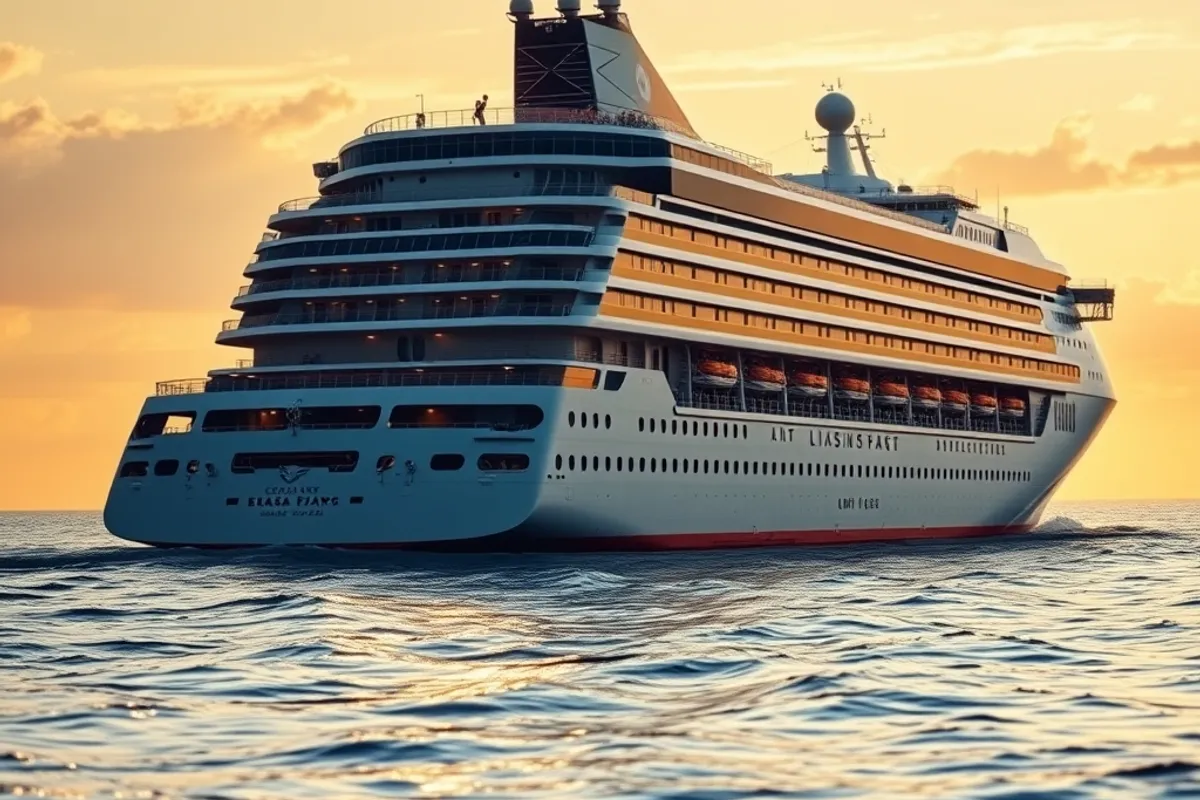
A first cruise is easy to book and hard to budget. The fare covers more than a hotel and less than an all-inclusive, and the gap is filled with packages that are sold hard on the first day.
This guide covers the mistakes that matter: drinks packages, port-day planning, sea-day spending, gratuities and the Wi-Fi question, with 2026 prices as a guide.
Key facts
- A drinks package usually pays off at roughly five to seven alcoholic drinks a day, depending on the line.
- Speciality coffee, bottled water and fresh juice are often excluded from basic drinks packages.
- Booking an excursion through the ship costs more but protects you if the tour returns late.
- Gratuities are often added per person per day and can be adjusted at guest services.
- Sea days are where onboard spending happens; port days are where the ship is quiet.
Drinks packages: do the maths first
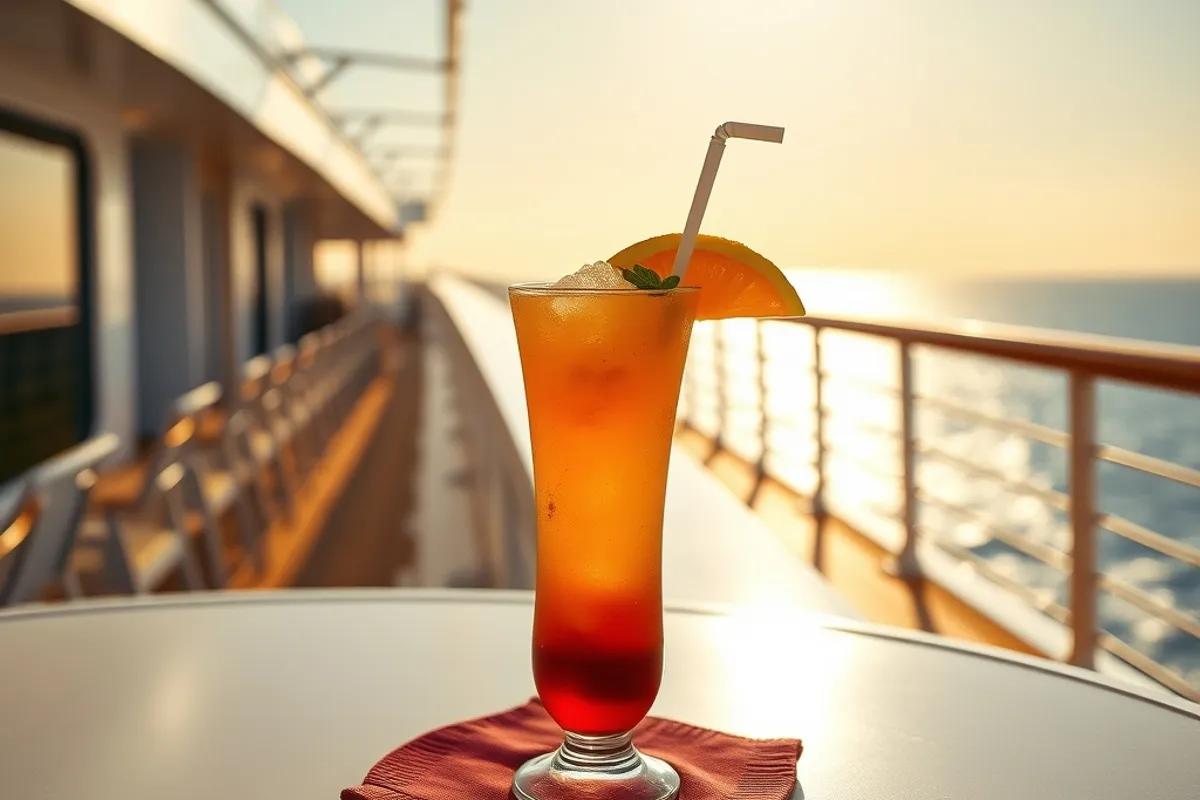
A drinks package is priced per person per day and usually covers drinks up to a price cap. It does not always cover speciality coffee, bottled water, room service or drinks in the speciality restaurants. Read the inclusions before you compare the daily price.
Estimate your normal day, not your holiday-best day. If you drink two coffees, one beer and a glass of wine, the package is probably a loss. If you drink cocktails, fresh juice and bottled water all day, it can be a gain. The package is a budget tool, not a personality test.
Port days: ship tours versus independent plans
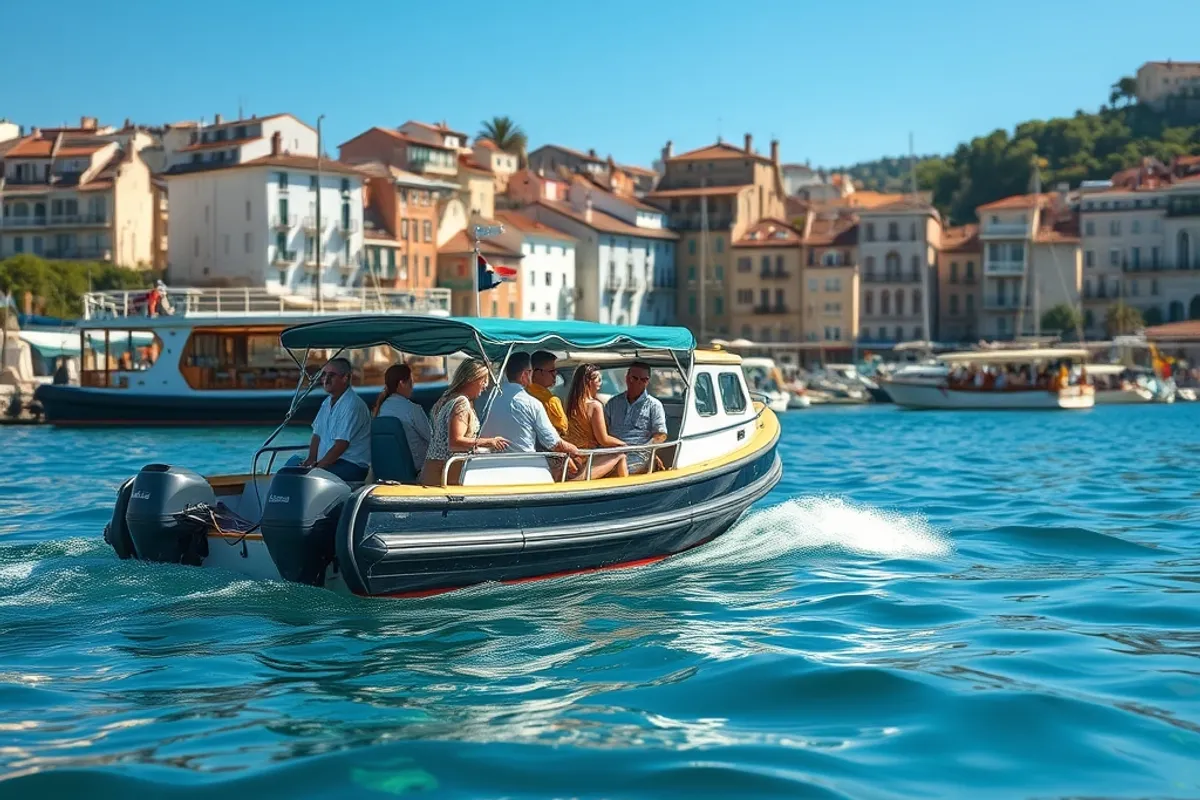
A ship excursion is more expensive but it includes a guarantee: if the tour is late, the ship waits. An independent tour is cheaper and often smaller, but you own the risk. On a short call in a distant port, the guarantee is worth paying for.
Plan the day around the all-aboard time, not the departure time. Leave a buffer of at least an hour for traffic and tender queues. If you are exploring independently, know the name of the port and the walk back to the ship, and keep the ship contact details offline.
Sea days: the quiet ship and the spending
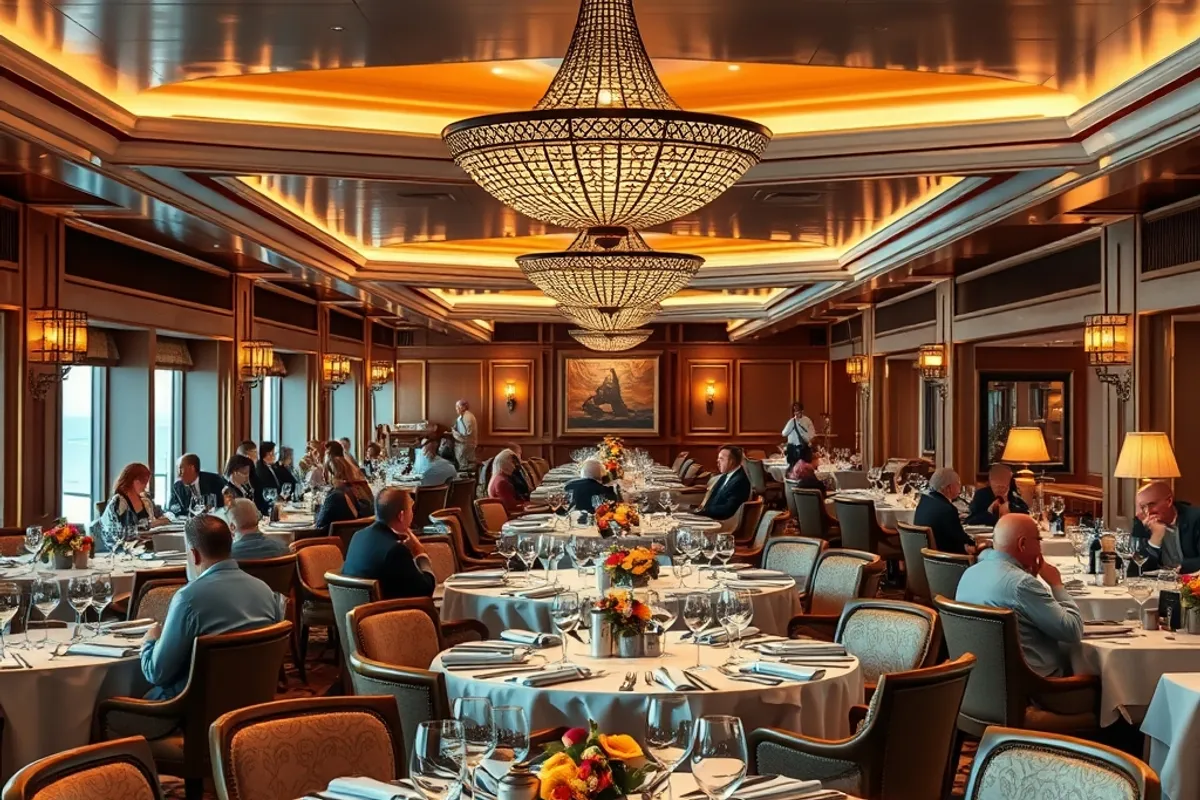
Sea days are when the pool deck fills, the spa sells and the shops open. They are also the best days to use the included facilities: the gym, the library, the main dining room and the promenade. Plan one anchor activity and leave the rest loose.
The ship is quietest during meal times and on port days, which is useful if you want the pool or the hot tub without a crowd. If you are not buying a package, the free activities are genuinely good: lectures, trivia, live music and the adults-only areas.
Gratuities, service charges and the final bill
Most cruise lines add a daily gratuity per person, sometimes automatically and sometimes as a suggested amount. Check whether it is included in your fare. It can be adjusted at guest services, but the crew rely on it, so treat it as part of the price rather than a surprise.
Speciality restaurants and bars often add a service charge to the bill. Keep your onboard account open in the app and check it every day. The final morning is too late to question a charge you did not notice.
The fare gets you on the ship. The packages decide whether you smile at the final bill.
Wi-Fi and staying connected
Ship Wi-Fi is usually sold by the day or the voyage, per device. It is slower than home broadband and can be unreliable in bad weather or remote regions. If you need to work, check the line and the itinerary before you rely on it.
The cheapest option is often to stay offline at sea and use local data in port. Download offline maps, tickets and translation packs before you sail. If you need connectivity for family reasons, buy the package before departure, when it is usually cheaper.
Packing and the dress code
Cruise cabins are small and storage is limited. Pack for the dress code, the weather and the formal night, and leave the rest. A capsule wardrobe with layers works better than a suitcase of options. Check whether the ship provides a launderette or a paid laundry service.
Bring the medicines you need, a refillable water bottle and a small day bag for ports. Seasickness tablets are cheaper at home than on board. A power strip without a surge protector is often allowed; check the line rules before you pack it.
First-cruise checklist
Before you pay, confirm the fare inclusions, the gratuity, the drinks package terms, the port times and the cancellation schedule. Book the cabin you want, not a guarantee, if location matters. Check the visa and passport rules for every port.
Then plan one thing per port and leave room for the ship. The first cruise is not an exam. The people who enjoy it most are the ones who budget honestly and leave space for a sea day with nothing on the schedule.
Official source: Cruise Lines International Association first-cruiser guide.