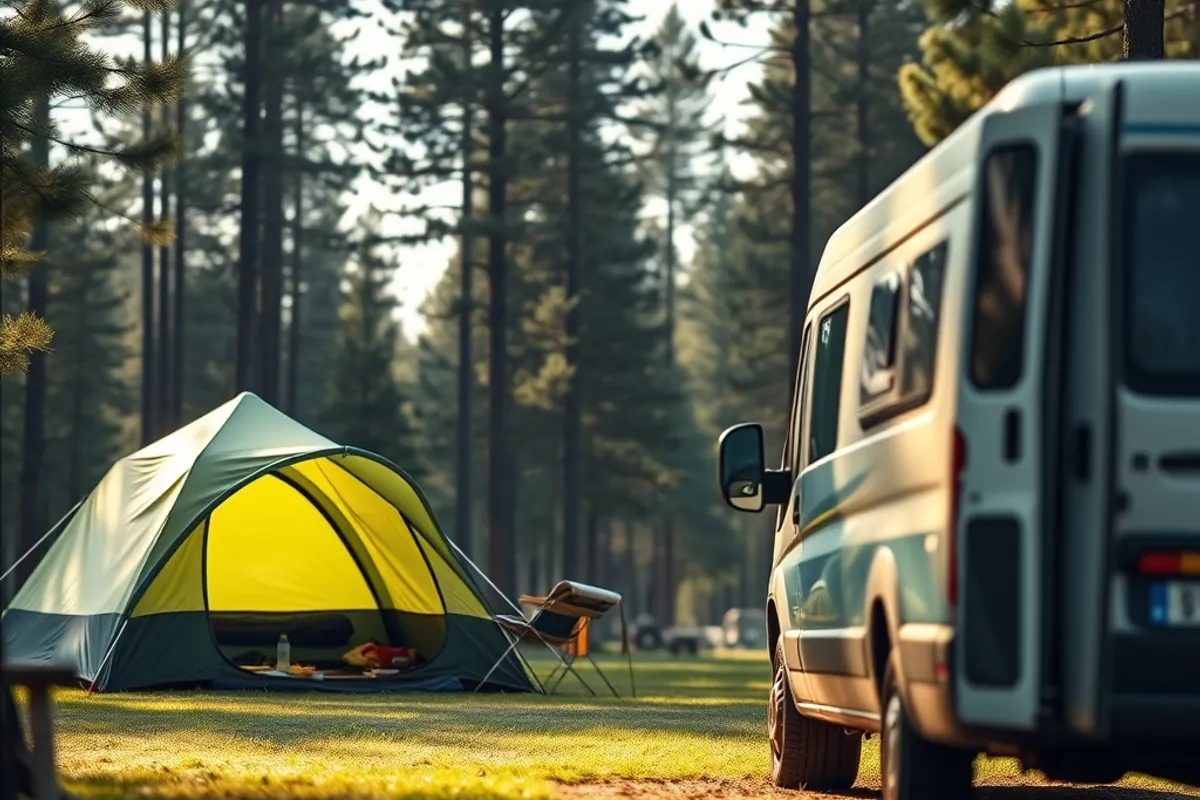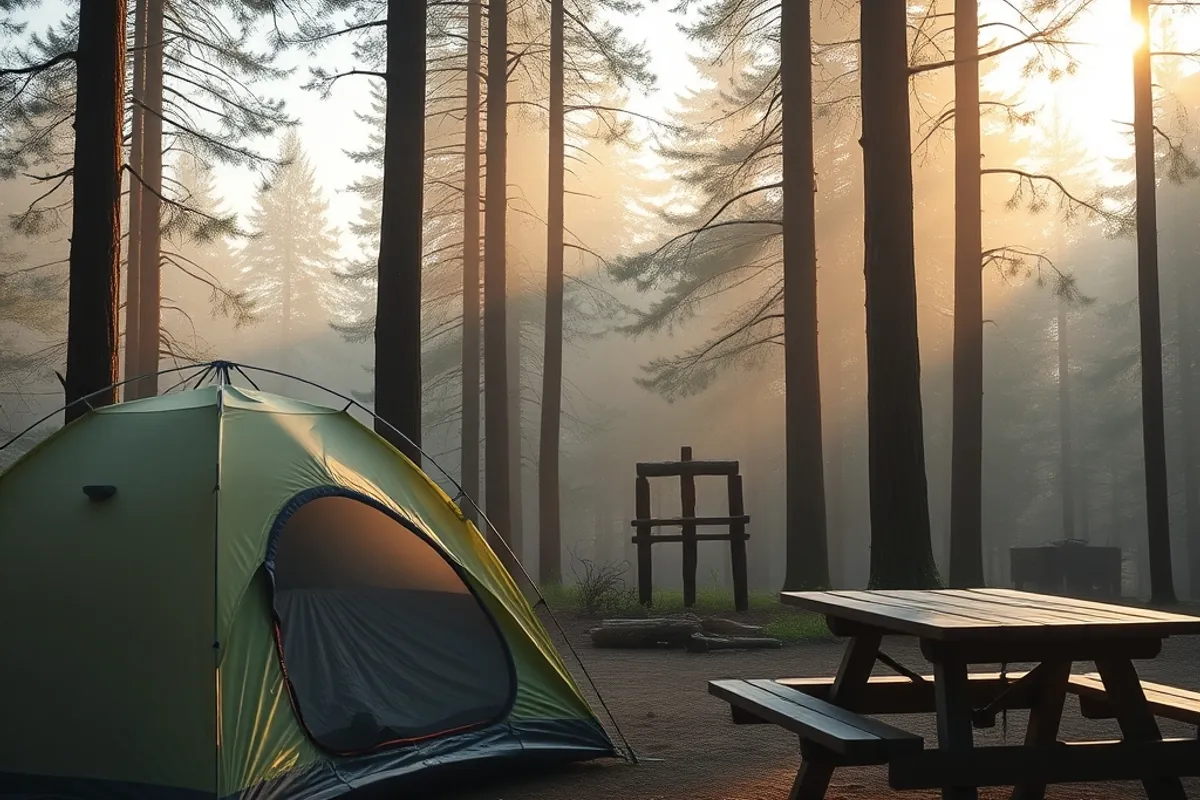
A campground listing is a sales page, not a site survey. The words "powered pitch" and "close to facilities" can describe a shady corner under trees or a slab next to the waste point. The difference is in the details the listing leaves out.
This guide explains how to read the listing, what each pitch type includes, and the questions to ask before you pay a deposit in 2026.
Key facts
- Pitch type matters more than campground rating: tent, caravan, RV and glamping pitches are not interchangeable.
- Amp rating on an electric hookup is a hard limit; 10A will not run an air conditioner and a kettle together.
- Photos are usually taken in peak season and from the best angle. Check the map and recent reviews.
- Cancellation terms vary from free to non-refundable, sometimes within the same campground.
- Arrival and departure times affect whether a weekend booking is two nights or one and a half.
What the listing language actually means
A "standard pitch" usually means a defined space with access to shared facilities. A "premium pitch" often means a larger space, a water connection or a better view, but the definition is set by the campground. Ask for the dimensions and what is included, not the marketing name.
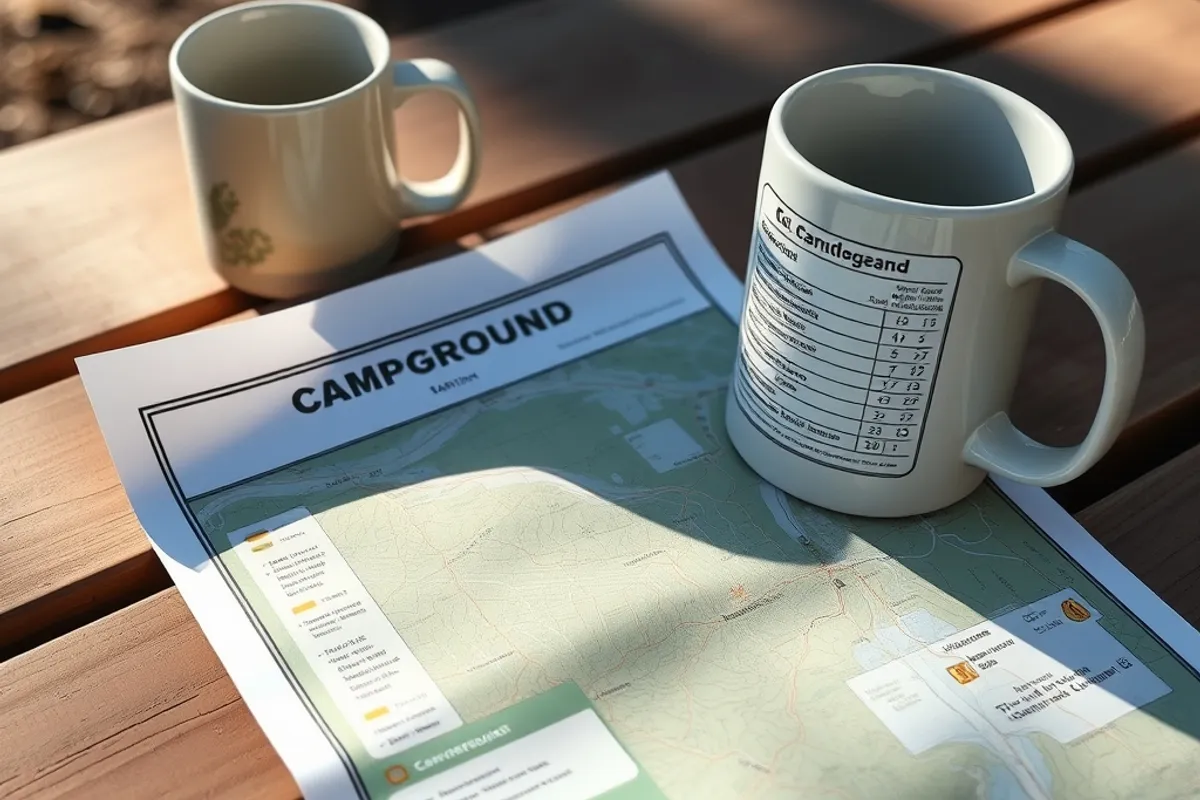
"Close to facilities" is neutral. It can mean a two-minute walk to the showers or a two-minute walk from the childrens playground at 7am. Look at the campground map and the pitch number, then check where the roads, bins and wash blocks sit.
Tent, caravan and RV pitches are not the same
Tent pitches may be grass, gravel or a wooden platform, and some do not allow vehicles beside the tent. Caravan and RV pitches usually need a hard standing, a turning radius and a height clearance. A pitch that fits a small camper may not fit a long motorhome with a towed car.
If you are booking for a tent, check whether ground pegs are allowed. Some sites use hardstanding or decking where standard pegs will not work. If you are booking for an RV, check the maximum length, the width of the access road and the height of any barrier.
Power, water and waste: the hookup checklist
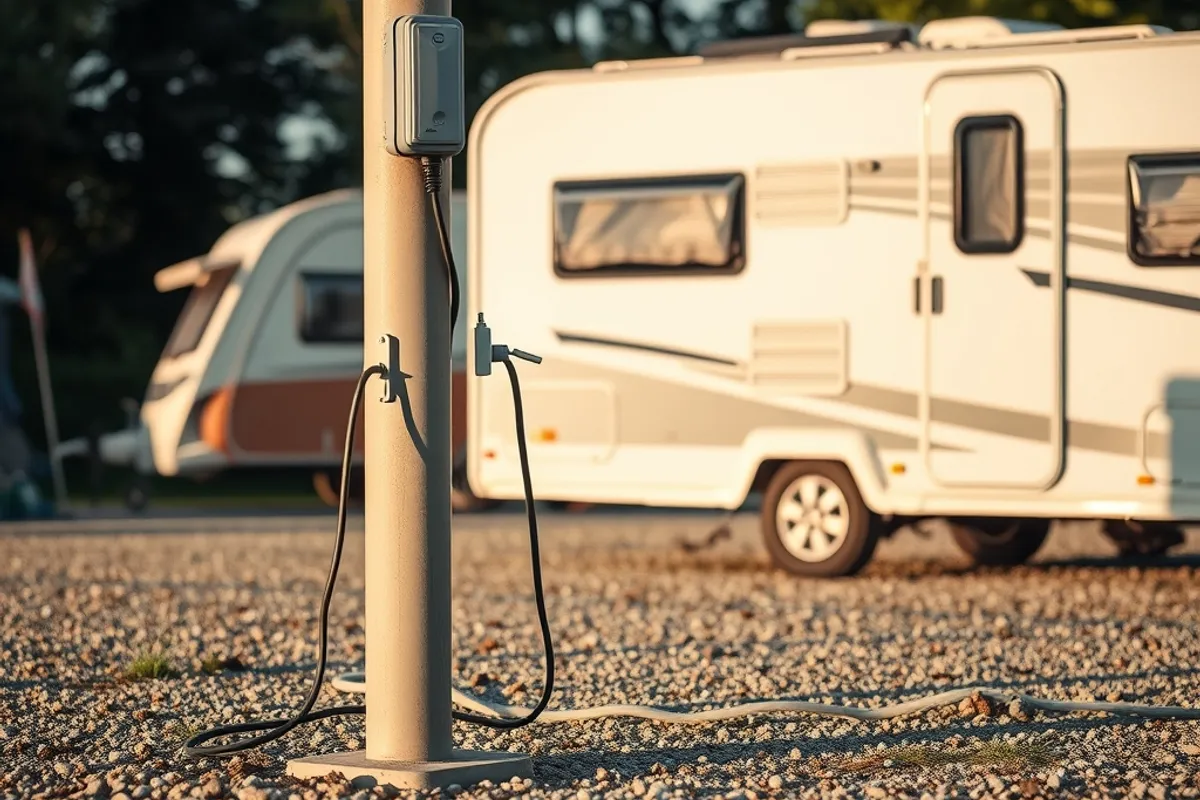
Electric hookups are rated in amps. A 6A supply is enough for lights and a fridge; a 16A supply can handle more, but not everything at once. Ask for the amp rating and whether the socket is the standard local type. Bring the right cable and a polarity tester if you travel abroad.
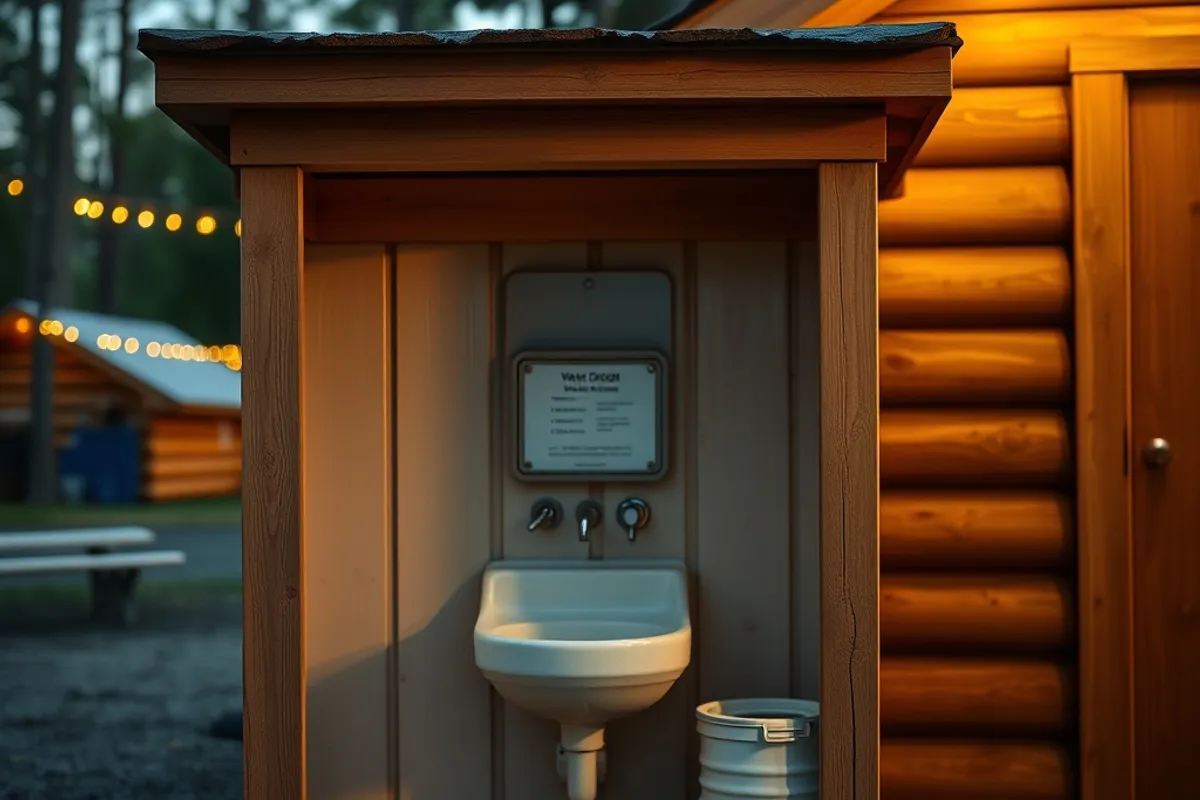
Water can be a tap on the pitch, a shared tap or a fill point. Waste can be a chemical disposal point, a grey-water drain or nothing at all. If the listing says "fully serviced", ask which services, because the term is not standard.
Space, privacy and the view
Pitch size is usually quoted in metres, but the usable area can be smaller because of trees, a picnic table or a fire ring. A 100 square metre pitch with a slope is less useful than a flat 60 square metre pitch. Ask for a photo of the actual pitch if the listing only shows the campground.
Privacy comes from hedges, spacing and layout. Rows of pitches facing each other feel very different from pitches set among trees. Read recent reviews for words like "open", "exposed", "road noise" and "quiet", and check whether the site hosts groups or events during your dates.
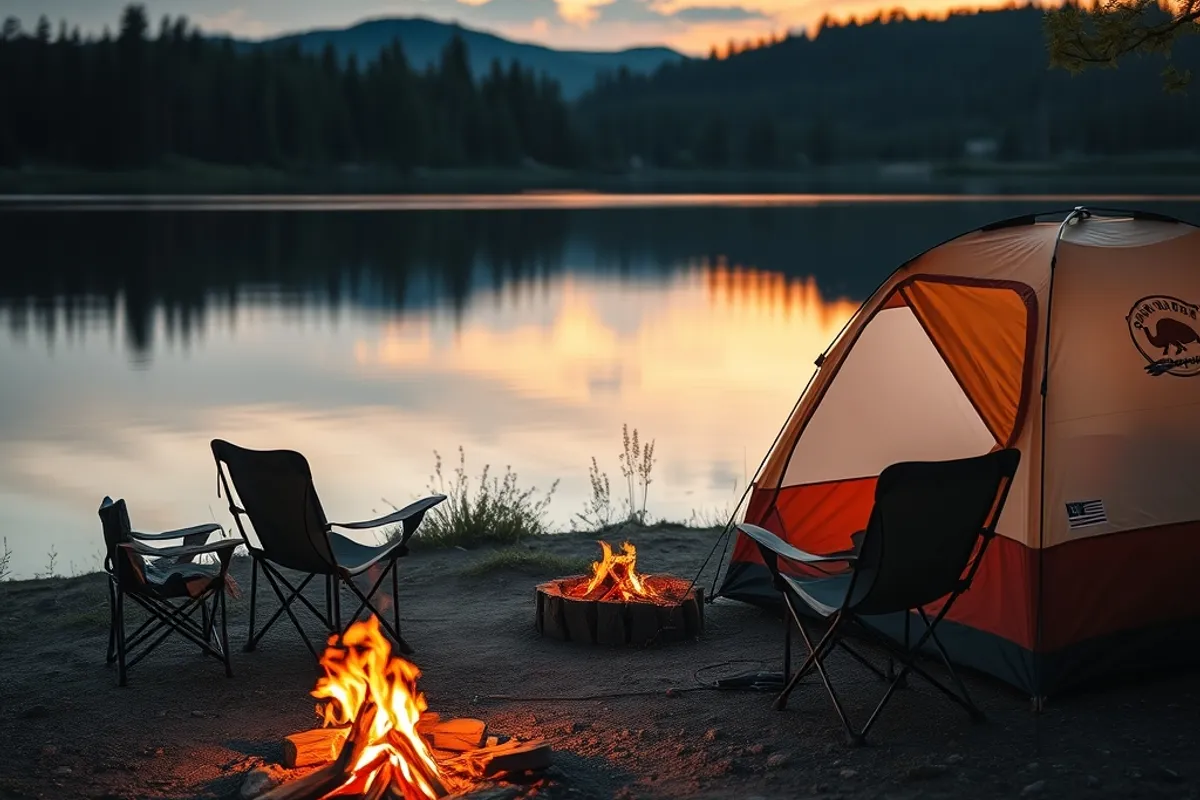
The best campsite is not the one with the most stars. It is the one whose listing told the truth.
Amenities: what is included and what costs extra
Showers, toilets, washing-up areas and drinking water are the basics. Beyond that, campsites differ on laundry, Wi-Fi, fire pits, wood sales, playgrounds, pools and shops. Some charge for showers by coin or card; some include them. Check before you pack the coins.
Wi-Fi is usually shared and slow. If you need to work, ask about coverage at the pitch, not at reception. Mobile signal is often a better question: check the local coverage map and recent reviews from your network.
Reviews, rules and cancellation terms
Read the most recent reviews and sort by lowest rating. A single bad review can be an outlier; a pattern of complaints about noise, cleanliness or staff is information. Look for reviews from the same season and the same pitch type.
Check the rules on fires, pets, generators, quiet hours and visitors. Then check the cancellation policy and the payment schedule. A non-refundable deposit is fine if the trip is certain; if the weather or work might change your plans, pay more for flexibility or book later.
The five-minute booking check
Confirm the pitch type, dimensions, surface, hookup rating and distance to the wash block. Check the vehicle length limit, the arrival window and the cancellation terms. Then look at the map and imagine the site at night, not in the midday photo.
If something is unclear, message the campground and keep the answer. A good site will tell you the pitch number and what is beside it. A vague answer is itself useful information.
Official source: US National Park Service camping guidance.