
Tent camping and RV camping share a campground but not a pitch. One needs soft ground and quiet neighbours; the other needs a hard standing, a wide access road and a power supply that can carry a real load.
This guide compares the two site types on power, surface, space, facilities and cost, so you can book the pitch that matches your setup in 2026.
Key facts
- Tent pitches may be grass, gravel or decking; not all allow pegs or fires.
- RV pitches need a hard standing and a clear access route; length and height limits are hard limits.
- Electric hookups are rated in amps; 6A suits lights and a fridge, 16A supports more appliances.
- Water and waste connections are not standard, even on pitches sold as fully serviced.
- Tent sites are usually cheaper but may charge extra per person or per vehicle.
Power: what each site type can carry
A tent pitch with electric hookup is usually a shared pillar with a low amp rating. It is enough for a phone, a lamp and a small cooler. It is not enough for a heater, a kettle and a hair dryer at the same time. Check the amp rating before you pack appliances.
An RV pitch usually offers a higher rating and sometimes a choice of 16A or 32A. The onboard systems still have limits, and a long cable run reduces performance. Bring the correct cable, a polarity tester for foreign sites and an adapter if the socket type differs.

Surface and setup: grass, gravel and hard standing
Tent campers need ground that accepts pegs. Grass is comfortable but can flood; gravel drains better but is harder on the tent floor; decking is clean but may not allow pegs at all. Ask what the pitch surface is and whether a groundsheet or footprint is recommended.
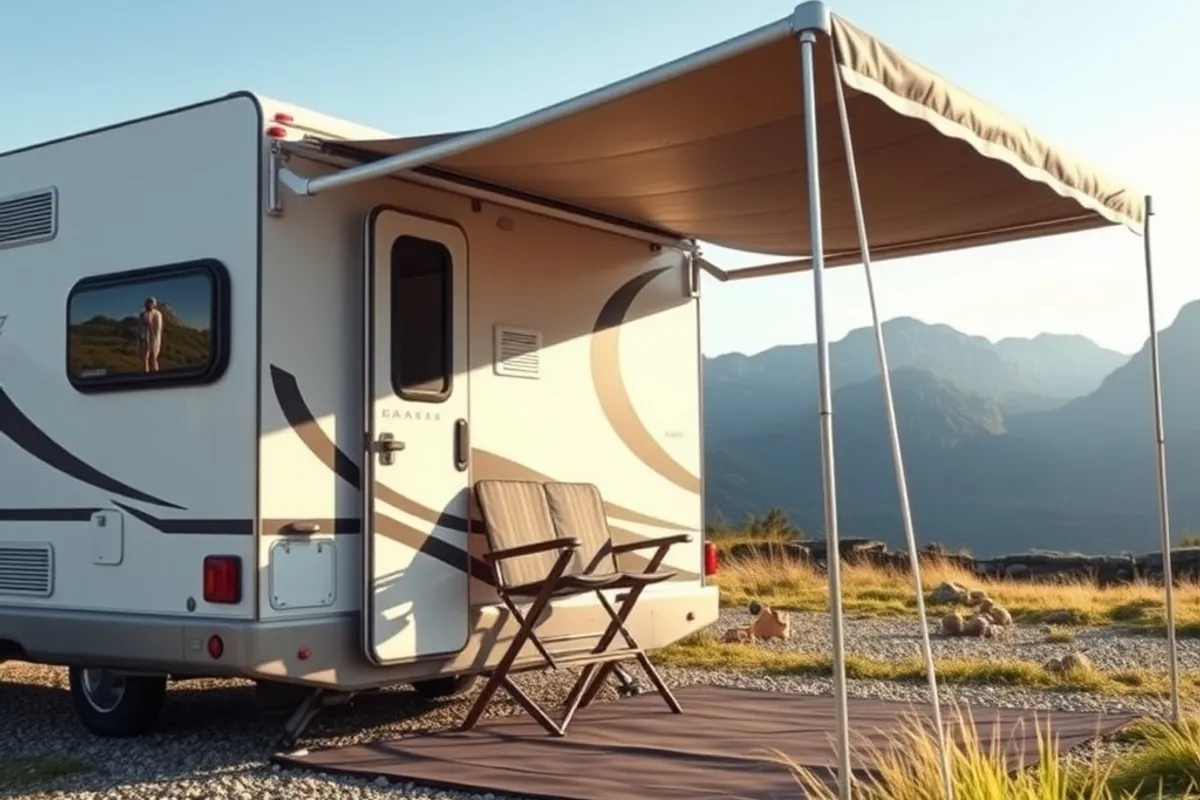
RV campers need a level hard standing and a clear approach. A sloping pitch needs levelling blocks, and a narrow access road can make a long vehicle impossible to position. Check the turning circle and any overhead barriers before you arrive.
Space, privacy and neighbours
Tent pitches are often smaller and closer together, especially in popular parks. That is fine for a sociable weekend and less fine if you want quiet. Check the pitch dimensions and whether the site separates tents from RVs, because generator noise and vehicle movement change the atmosphere.
RV pitches need more room for slides, awnings and tow vehicles. A pitch that fits the vehicle may not fit the awning. Ask for the total usable width, not just the length, and look at the map to see what is beside you.

Facilities and the walk to the wash block
Tent campers usually rely on shared wash blocks, so distance matters at night. RV campers may have onboard facilities but still need a disposal point and a water fill. Check both the location and the opening hours, because some blocks close for cleaning.
Family-friendly sites often have playgrounds, pools and activity programmes, which is great for children and noisy for anyone else. Adult-only or quiet sections exist at some parks; ask before booking if silence is the point of the trip.
The pitch is not a parking space. It is the first night of the trip, decided in advance.
Cost comparison beyond the nightly rate
A tent pitch often has a lower nightly rate but charges per person, per vehicle and sometimes per dog. An RV pitch costs more but may include water, waste and a higher power allowance. Add the extras before you compare, and check whether the site charges a booking fee.
The real cost includes fuel and time. An RV that averages 12 litres per 100 km costs far more to move than a car with a tent in the boot. A campsite 30 minutes closer can be cheaper than a remote one with a lower rate.
Booking the right pitch
Book by pitch type, not just by campground. State the tent size, the vehicle length and the power needs in the booking notes. If the site assigns pitches on arrival, arrive early and ask for one that matches your setup.
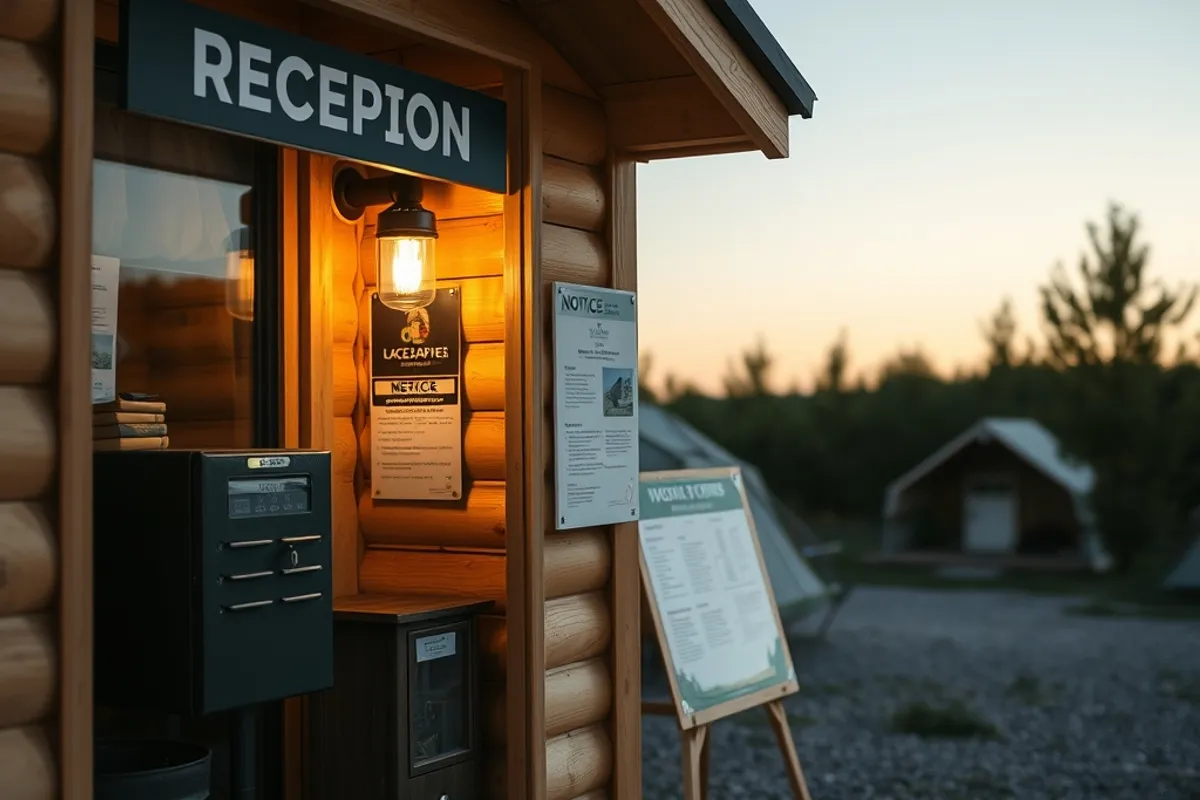
Check the cancellation policy and the arrival window. A late arrival in the dark makes every pitch harder, especially a gravel one on a slope. If you will arrive after reception closes, confirm the late-arrival procedure and the pitch number in advance.
Tent versus RV: the quick checklist
For a tent: confirm the surface, peg rules, fire rules, pitch size and distance to the wash block. For an RV: confirm the length, width, height, access road, amp rating, water fill and waste point. For both: confirm the cancellation terms and the arrival window.
Then pack for the site you booked. The wrong pitch is not a disaster if you know before you leave. It is a miserable first night if you find out at the gate.
Official source: US Recreation.gov camping and reservation guidance.