Whispers of the Wilderness: Seeking Solitude in Nature’s Hidden Havens

Introduction & Background
In a world that often feels overwhelmingly loud and fast-paced, the allure of solitude in nature has never been stronger. The modern era’s constant connectivity and urban sprawl have left many searching for quiet spaces where they can breathe, reflect, and reconnect with their inner selves. The wilderness, with its vast and untouched landscapes, offers a sanctuary for those seeking solace beyond the noise of daily life. This search for solitude is not just about escaping the crowd but about discovering a deeper sense of peace and clarity in the natural world. From ancient philosophers to contemporary wanderers, people have long turned to nature to find balance and inspiration. The whispers of the wilderness, often subtle and easily overlooked, carry messages of resilience, beauty, and tranquility that resonate deeply with those who listen.
Concept & Overview
The idea of seeking solitude in nature revolves around the human need for reflection, rejuvenation, and a break from the relentless pace of modern life. Solitude in this context does not mean isolation or loneliness but rather a deliberate choice to step away from distractions and immerse oneself in the natural world. This practice encourages individuals to slow down, observe their surroundings, and engage in deep introspection. Wilderness areas, with their untamed beauty and lack of human interference, provide the perfect backdrop for this experience. The concept emphasizes the importance of unplugging from technology and reconnecting with the earth, fostering a sense of humility and wonder. It is about finding harmony between the self and the environment, allowing nature to guide and heal. Whether through a solo hike, a camping trip, or simply sitting quietly by a stream, the wilderness offers endless opportunities to rediscover oneself amid its quiet grandeur.
Key Features & Highlights
- Silence and Serenity: One of the most striking features of wilderness solitude is the profound silence that envelops these places. Away from city noises, the absence of constant chatter allows for true quiet, which can be both soothing and revelatory. This silence creates space for thoughts to settle and for creativity to flourish.
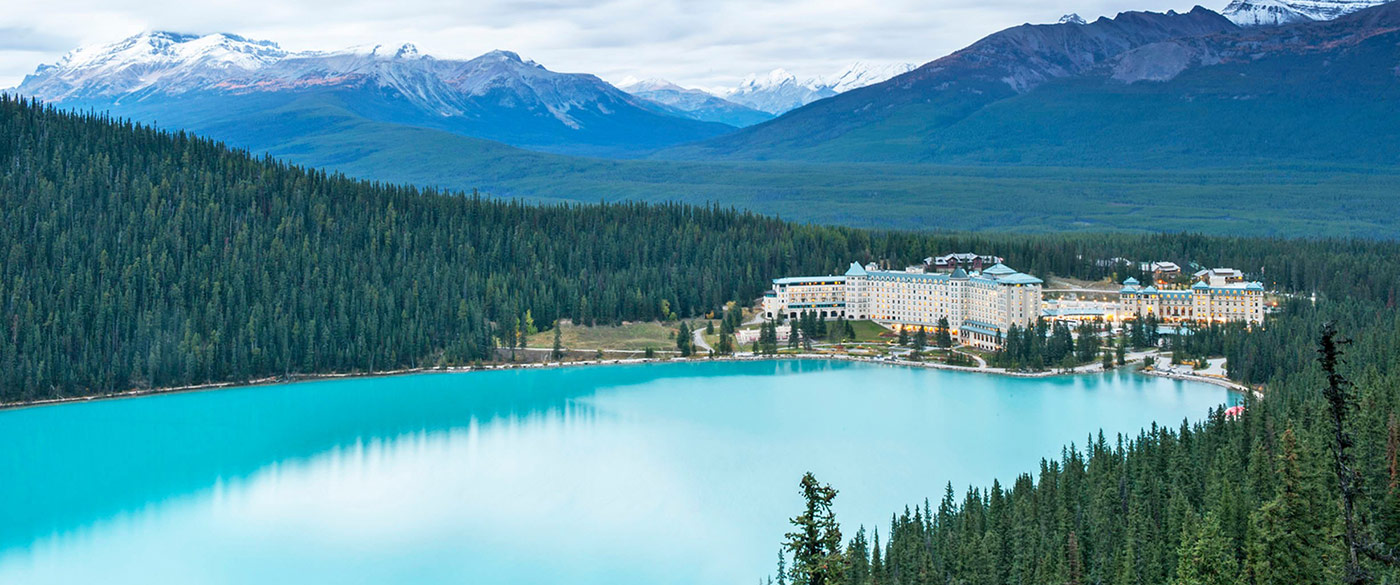
- Unspoiled Landscapes: Wilderness areas are often remote and untouched by human development. From dense forests and towering mountains to serene lakes and open plains, these landscapes provide a stark contrast to urban environments. Their raw beauty serves as a reminder of nature’s power and fragility.
- Connection to the Elements: Solitude in nature fosters a deep connection to the fundamental elements of earth, water, fire, and air. Whether feeling the cool breeze on a mountain peak or the warmth of the sun on a forest floor, individuals become more attuned to the rhythms of the natural world.
- Self-Discovery: Removed from daily routines and societal expectations, people often find that solitude in nature helps them uncover hidden aspects of themselves. Away from distractions, the mind is free to wander, leading to insights, realizations, and a clearer sense of purpose.
- Physical and Mental Renewal: Time spent in the wilderness can have tangible benefits for both body and mind. The physical act of hiking or camping builds strength and endurance, while the mental break from stress promotes clarity and emotional well-being. Many return from such experiences feeling refreshed and revitalized.
Frequently Asked Questions / Pros & Cons
What exactly constitutes a “wilderness” in this context?
A wilderness in this context refers to any natural environment that is relatively untouched by human development and remains in a state of wildness. This could include national parks, remote forests, deserts, or even coastal areas far from civilization. The key is the absence of urban influences and the presence of natural beauty and tranquility.
Is solitude in nature the same as loneliness?
No, solitude in nature is a deliberate choice to spend time alone in a natural setting, often for reflection or relaxation. Loneliness, on the other hand, is a feeling of isolation or sadness that arises from a lack of connection. Solitude in nature can be deeply fulfilling and empowering, whereas loneliness often carries negative connotations.
Pros and Cons of Seeking Solitude in Nature
- Pros:
- Enhances mental clarity and reduces stress by providing a break from daily pressures.
- Encourages self-discovery and personal growth through reflection and introspection.
- Promotes physical health through outdoor activities like hiking, camping, and exploring.
- Strengthens appreciation for nature and fosters a sense of responsibility toward environmental conservation.
- Offers a unique opportunity to disconnect from technology and reconnect with the natural world.
- Cons:
- Can be challenging for those who struggle with being alone or in remote areas without immediate help.
- Requires careful planning and preparation, especially for multi-day trips, to ensure safety and comfort.
- Weather and environmental conditions can pose risks, making it important to be well-informed and equipped.
- Not everyone has easy access to wilderness areas, which may limit opportunities for some individuals.
- Initial discomfort may arise from being away from familiar comforts, but this often fades as one adapts.
Practical Guidance & Solutions
Embarking on a journey to seek solitude in nature requires thoughtful preparation to ensure a safe and fulfilling experience. Start by choosing a location that aligns with your comfort level and experience. National parks, nature reserves, or even local trails can be excellent starting points for beginners. Research the area thoroughly, including weather conditions, terrain, and any necessary permits or regulations. Pack light but efficiently, bringing essentials such as water, food, appropriate clothing, a map, and a first-aid kit. Consider the duration of your trip; a day hike is a great way to ease into the experience, while overnight camping can deepen your connection with nature.
Before heading out, inform someone you trust about your plans, including your destination and expected return time. This ensures accountability and safety. Learning basic survival skills, such as how to build a fire, purify water, or navigate using a compass, can also be invaluable. Embrace the slower pace of the wilderness by allowing yourself to be present in the moment. Leave distractions like phones and laptops behind to fully immerse yourself in the environment. If you’re new to solitude in nature, consider joining a guided group or workshop to learn from experienced hikers and campers. Over time, you’ll develop confidence and a deeper appreciation for the quiet moments that nature offers.
Conclusion
The whispers of the wilderness are not loud or demanding but are instead gentle reminders of the beauty and resilience of the natural world. Seeking solitude in these hidden havens offers a chance to step away from the chaos of modern life and rediscover the peace that comes from being at one with nature. Whether it is the rustling of leaves, the chirping of birds, or the vast expanse of an open sky, these sounds and sights have the power to soothe the soul and awaken the spirit. In a time when the world feels increasingly fast and fragmented, the wilderness remains a timeless refuge where one can find clarity, renewal, and a profound sense of connection. As you venture into these quiet spaces, remember that the journey itself is as important as the destination. Embrace the solitude, listen to the whispers, and let nature guide you toward a deeper understanding of both the world and yourself.



:max_bytes(150000):strip_icc()/GettyImages-1825278316-df5f291d61034fa3ab71563a4ab30333.jpg "Journey Stay for Every Budget")