
Whispers of the Wild: Hidden Trails and Serene Escapes for the Adventurous Soul

Introduction & Background
In a world that often moves at a relentless pace, the call of the wild remains a timeless refuge for those seeking solace and adventure. Nature has a way of whispering secrets to those who pause to listen, offering hidden trails that wind through untouched landscapes and serene escapes that restore balance to the soul. The concept of exploring these hidden gems is not just about physical travel but about rediscovering a sense of wonder and connection to the earth. For the adventurous soul, every trail holds a story, every whisper of the wind carries a lesson, and every moment spent in nature becomes a chapter in a personal journey of discovery.
Concept & Overview
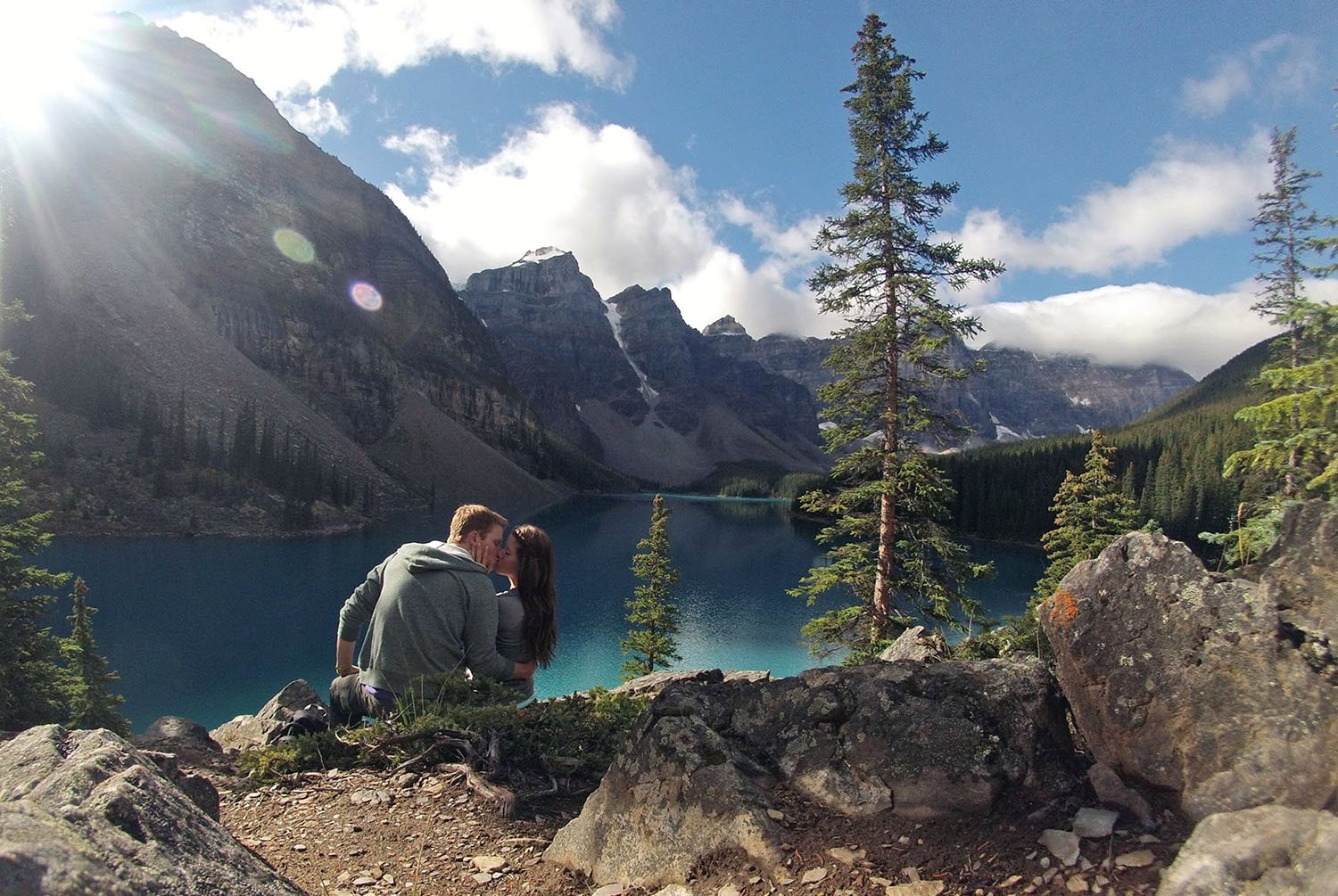
Whispers of the wild refer to the subtle, almost mystical experiences one encounters while venturing off the beaten path. These are the moments when nature reveals its quiet beauty, when the rustling leaves and distant calls of wildlife become a symphony of the outdoors. The core idea is to escape the noise of modern life and immerse oneself in environments where time seems to slow down. Whether it’s a secluded forest path, a remote mountain lake, or a coastal trail untouched by crowds, these escapes are designed for those who crave adventure without the chaos. The key principle is mindfulness, allowing travelers to engage fully with their surroundings and find peace in the simplicity of the natural world.
Key Features & Highlights
- Untouched Landscapes: Trails that are rarely visited offer pristine views and a sense of exclusivity. These locations are often free from the crowds and commercialization found in popular destinations, allowing for a more authentic experience.
- Biodiversity Hotspots: Hidden trails frequently lead to areas rich in flora and fauna. From rare bird species to unique plant life, these ecosystems provide a living classroom for nature enthusiasts and photographers alike.
- Solitude and Reflection: Serene escapes are defined by their quietude. The absence of human noise allows for deep introspection and a chance to reconnect with oneself away from daily distractions.
- Adventure and Challenge: Many hidden trails present physical challenges such as steep inclines, river crossings, or dense vegetation. These obstacles add to the thrill and reward of reaching a destination that feels truly earned.
- Cultural Encounters: Venturing off the main path often leads to interactions with local communities that are far removed from tourist hubs. These exchanges can offer insights into traditions and ways of life that are rarely seen in conventional travel.
- Seasonal Beauty: Some of the most breathtaking escapes are only accessible during certain times of the year. Whether it’s autumn foliage, spring wildflowers, or winter snowscapes, timing plays a crucial role in maximizing the experience.
Frequently Asked Questions / Pros & Cons
What are the best types of trails for those seeking hidden adventures?
Trails that are less frequently marked or maintained often lead to the most rewarding discoveries. Look for routes that are not heavily promoted on social media or travel blogs, as these tend to be quieter. National forests, state parks with lesser-known sections, and local hiking clubs can be great sources of information. Additionally, trails that require permits or have specific access times can deter casual visitors, ensuring a more secluded experience.
How do I prepare for a solo adventure in remote areas?
Preparation is key when venturing into remote wilderness. Start by researching the trail thoroughly, including wildlife presence, weather patterns, and potential hazards. Pack essentials such as a map, compass, first aid kit, and sufficient food and water. Inform someone of your itinerary and expected return time. Consider carrying a satellite communicator for emergencies, and always check local regulations regarding solo travel. Building physical endurance beforehand can also make the journey more enjoyable.
What are the pros and cons of guided versus self-guided exploration?
Pros of Guided Exploration:
- Local experts provide insights into the environment and history.
- Reduces the risk of getting lost or encountering hazards without knowledge.
- Often includes transportation, meals, and equipment, easing logistical burdens.
- Encourages social interaction with like-minded individuals.
Cons of Guided Exploration:
- Less flexibility in choosing routes or pace.
- Can be more expensive than planning independently.
- May involve larger groups, reducing the sense of solitude.
Pros of Self-Guided Exploration:
- Full control over itinerary, pace, and destinations.
- Opportunity for deeper personal reflection and connection with nature.
- Lower cost and the ability to explore at one’s own rhythm.
Cons of Self-Guided Exploration:
- Higher risk of getting lost or encountering unexpected challenges.
- Requires thorough preparation and self-reliance.
- Limited access to local knowledge and hidden gems.
How can I ensure my adventures are sustainable and respectful of nature?
Practicing Leave No Trace principles is essential. Pack out all trash, including food scraps and biodegradable items. Stay on marked trails to avoid damaging vegetation and disturbing wildlife. Use established campsites and avoid creating new ones. Respect wildlife by observing from a distance and never feeding animals. Be mindful of fire regulations and always extinguish campfires completely. Supporting local conservation efforts and choosing eco-friendly gear also contribute to preserving these natural spaces for future generations.
Practical Guidance & Solutions
Embarking on an adventure into the wild requires more than just enthusiasm. It demands thoughtful planning and a willingness to adapt. Start by identifying your goals: Are you seeking physical challenge, spiritual renewal, or simply a break from routine? Once your purpose is clear, research destinations that align with your interests and skill level. For beginners, consider joining a local hiking group to gain experience and learn from seasoned adventurers. For those more experienced, challenge yourself with multi-day backpacking trips or less-traveled routes.
Timing is another critical factor. Avoid peak seasons when popular trails become crowded. Instead, opt for shoulder seasons when the weather is mild and crowds are thinner. Early mornings and weekdays are ideal times to hit the trail, as they offer the best chance for solitude. Always check weather forecasts and trail conditions before heading out, as conditions can change rapidly in remote areas.
Invest in quality gear that balances durability with comfort. A lightweight backpack, sturdy footwear, and weather-appropriate clothing can make or break an adventure. Don’t forget essentials like a headlamp, multi-tool, and emergency blanket. Digital tools such as GPS apps and offline maps can be lifesavers, but always carry a physical map and compass as backups. Learning basic survival skills, such as building a shelter or purifying water, can also enhance your confidence and safety.
Finally, embrace the unpredictability of nature. Delays, detours, and unexpected encounters are part of the journey. Instead of viewing them as obstacles, see them as opportunities to learn and grow. Keep a journal to document your experiences, noting the sights, sounds, and emotions that define each adventure. These reflections will not only enrich your memories but also inspire future explorations.
Conclusion
The whispers of the wild are more than just sounds. They are invitations to step away from the ordinary, to listen to the earth’s heartbeat, and to rediscover the joy of exploration. In a world where technology often dominates our attention, these hidden trails and serene escapes offer a chance to reconnect with what truly matters. They remind us that adventure is not just about reaching a destination but about the moments we encounter along the way. Whether you’re a seasoned hiker or someone taking their first steps into the wilderness, the wild is waiting with open arms. All that remains is for you to answer its call. So lace up your boots, pack your essentials, and set off on a journey that promises not just a change of scenery, but a transformation of the soul.



:max_bytes(150000):strip_icc()/GettyImages-1825278316-df5f291d61034fa3ab71563a4ab30333.jpg "Journey Stay for Every Budget")