Wanderlust Chronicles: Tales of Offbeat Destinations and Unexpected Adventures

Introduction & Background
Travel has always been a gateway to discovery, but in a world where popular destinations often feel overcrowded and commercialized, a new wave of explorers is seeking something more. Wanderlust Chronicles celebrates the spirit of offbeat travel, inviting readers to step off the beaten path and embrace the unknown. This movement is not just about visiting new places, but about uncovering stories, cultures, and experiences that lie beyond the usual tourist trails. Whether it is a hidden village in the Himalayas, a remote island in the Pacific, or a forgotten town in Eastern Europe, these destinations offer a sense of adventure that mass tourism simply cannot match. As global connectivity expands and more travelers seek authenticity, the significance of offbeat travel continues to grow, reshaping how we perceive exploration and adventure.
Concept & Overview
Wanderlust Chronicles is more than a travel blog or a collection of stories. It is a philosophy that encourages curiosity, adaptability, and a willingness to embrace the unexpected. At its core, offbeat travel revolves around the idea of venturing into places that are not typically featured in guidebooks or Instagram feeds. These destinations often have rich histories, vibrant local traditions, and breathtaking landscapes that remain untouched by commercialization. The concept also extends to the way we travel, emphasizing slow travel, local interactions, and sustainable practices. By prioritizing meaningful experiences over checkbox tourism, travelers can forge deeper connections with the places they visit and the people they meet along the way.
Key Features & Highlights
- Authentic Cultural Immersion. Offbeat destinations provide opportunities to engage with local communities, participate in traditional festivals, and learn from indigenous practices that are rarely exposed to outsiders.
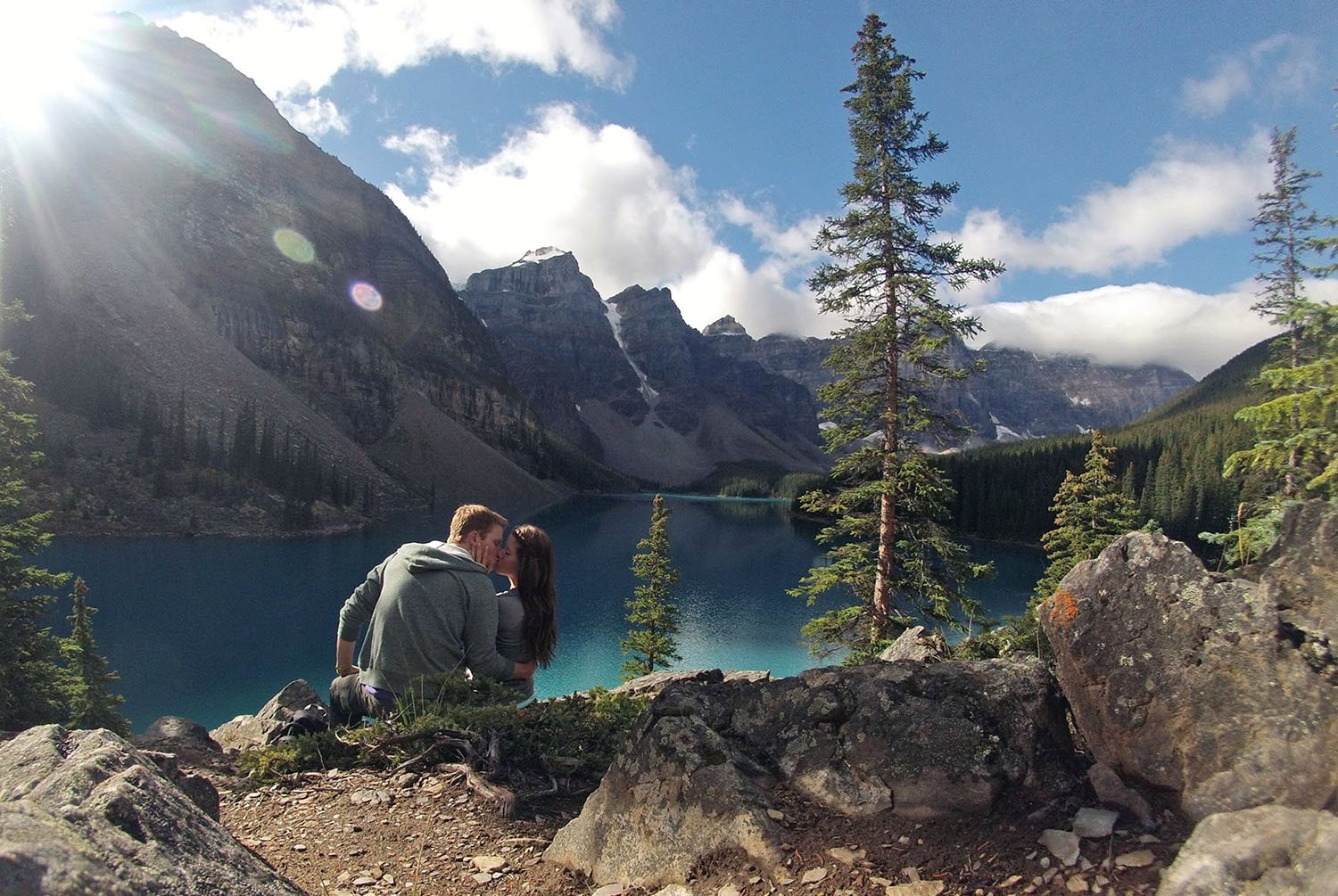
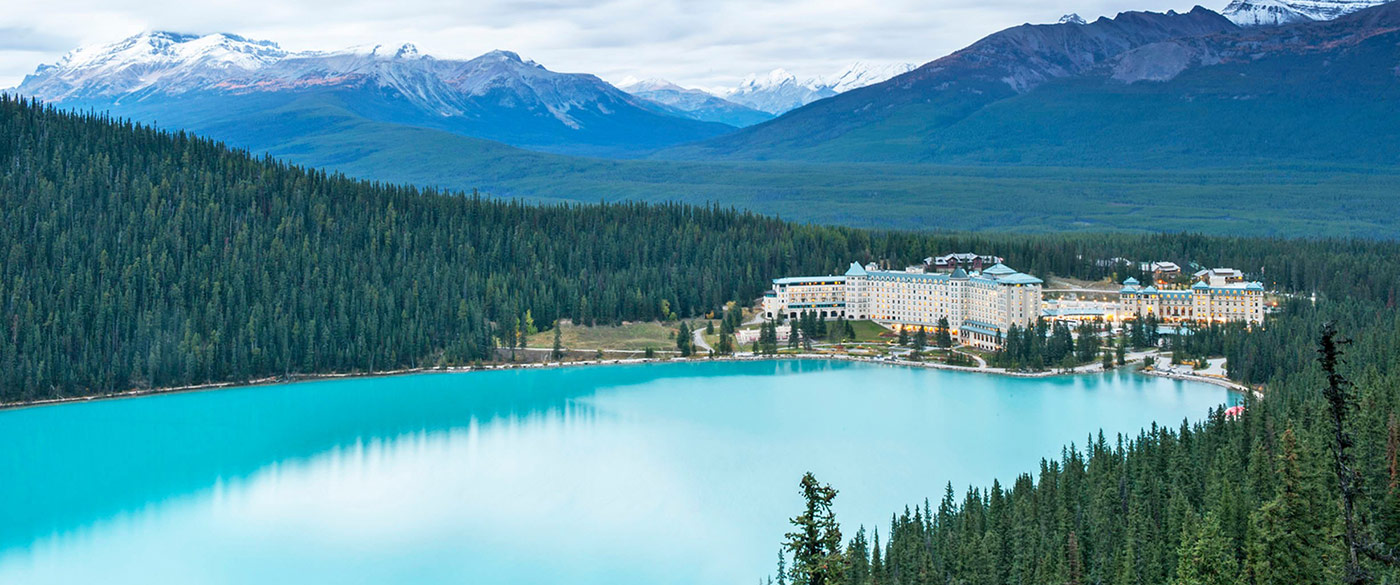
- Stunning Natural Landscapes. From alpine meadows untouched by mass tourism to pristine beaches where few footsteps have been left, these places offer nature in its most unspoiled form.
- Unique Historical Gems. Many lesser-known locations hold archaeological sites, ancient ruins, or colonial-era architecture that tell stories of civilizations long past.
- Challenging Adventures. Remote treks, unguided explorations, and journeys into areas with limited infrastructure test the limits of one’s resilience and problem-solving skills.
- Sustainable Travel Practices. By choosing offbeat routes, travelers often reduce their environmental impact while supporting local economies directly rather than through large hotel chains or tour operators.
- Unexpected Encounters. The magic of offbeat travel lies in the chance meetings with locals, fellow wanderers, or even wild animals that can turn a simple trip into a lifelong memory.
- Creative Inspiration. Artists, writers, and photographers find endless inspiration in the colors, textures, and rhythms of unconventional destinations, fueling their creativity in ways mainstream locations cannot.
Frequently Asked Questions / Pros & Cons
What exactly qualifies a destination as “offbeat”?
An offbeat destination is typically one that is not listed in mainstream travel guides, has limited tourist infrastructure, and is often overlooked by large tour groups. These places may be small towns, rural areas, or even specific neighborhoods within cities that do not attract the usual crowds. What makes them special is their ability to offer an experience that feels personal and undiscovered.
Is offbeat travel safe for solo travelers, especially women?
Safety in offbeat travel depends on research, preparation, and intuition. While some remote areas may lack the same level of security as tourist hotspots, many offbeat destinations are welcoming to solo travelers, including women. It is essential to connect with locals, stay informed about regional conditions, and avoid isolated areas after dark. Joining small group tours or homestay networks can also enhance safety and comfort.
How does offbeat travel differ from backpacking?
While backpacking often involves budget travel and hostels, offbeat travel focuses on the destination itself rather than the mode of travel. Offbeat destinations can be reached by any means, whether by luxury train or on foot, and do not necessarily require a backpack. The key difference is the intention behind the journey, which is to seek out places that are not part of the standard backpacker route.
What are the biggest challenges of offbeat travel?
The primary challenges include limited access to amenities such as ATMs, medical facilities, and reliable transportation. Communication barriers can also arise if the local language is not widely spoken. Additionally, unpredictable weather or political situations in less-visited regions may pose risks. However, these challenges are often outweighed by the rewards of discovery and growth.
Can families or travelers with mobility issues enjoy offbeat travel?
Offbeat travel can be adapted for families and travelers with mobility issues, though it requires careful planning. Opting for destinations with basic infrastructure, such as guesthouses with ramps or easily accessible trails, can make the experience enjoyable. It is also helpful to choose locations with shorter travel times and prepared itineraries to avoid unnecessary stress.
Practical Guidance & Solutions
Embarking on an offbeat adventure begins with thorough research. Start by identifying destinations that align with your interests, whether it is hiking, cultural immersion, or wildlife spotting. Use niche travel forums, local blogs, and guidebooks focused on specific regions to gather insights. Once you have shortlisted your choices, reach out to locals or expatriates living in the area for firsthand recommendations. Social media groups and travel communities can also provide valuable tips from fellow offbeat travelers.
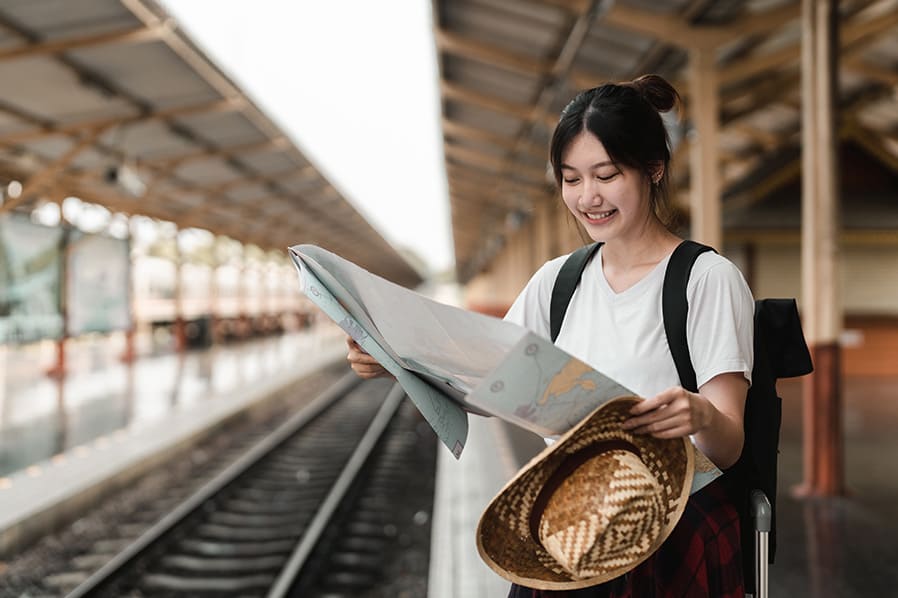
When planning your itinerary, allow for flexibility. Offbeat destinations often operate on their own timelines, and transportation schedules may be unpredictable. Pack essentials such as a universal power adapter, basic medical supplies, and a printed map, as digital connectivity may be unreliable. Learning a few phrases in the local language can bridge cultural gaps and demonstrate respect for the community.
Engaging with local guides or homestay hosts can transform your experience. These individuals offer insider knowledge, support sustainable tourism, and create opportunities for authentic interactions. Be open to trying regional cuisines, participating in local customs, and embracing the slower pace of life. If traveling in a group, choose companions who share your sense of adventure and adaptability.
Finally, approach offbeat travel with a mindset of curiosity and humility. These journeys are not about ticking off a list but about embracing the unexpected. Whether you find yourself lost in a labyrinth of alleyways, welcomed into a stranger’s home, or mesmerized by a sunset over an untouched horizon, the true reward lies in the stories you bring back and the person you become along the way.
Conclusion
Wanderlust Chronicles invites travelers to escape the ordinary and embrace the extraordinary. In a world where travel has become synonymous with crowds and commercialism, offbeat destinations offer a refreshing alternative. They challenge us to look beyond the postcard-perfect scenes, to engage with the world on a deeper level, and to discover the magic that lies hidden in plain sight. Whether you are a seasoned adventurer or someone taking their first steps into unexplored territory, the journey of offbeat travel promises growth, wonder, and stories that will inspire for years to come. So pack your bags, leave the guidebook behind, and let the wanderlust guide you to the hidden gems that await. The road less traveled is not just a cliché. It is an invitation to experience the world as it truly is, in all its unfiltered beauty and unpredictability.