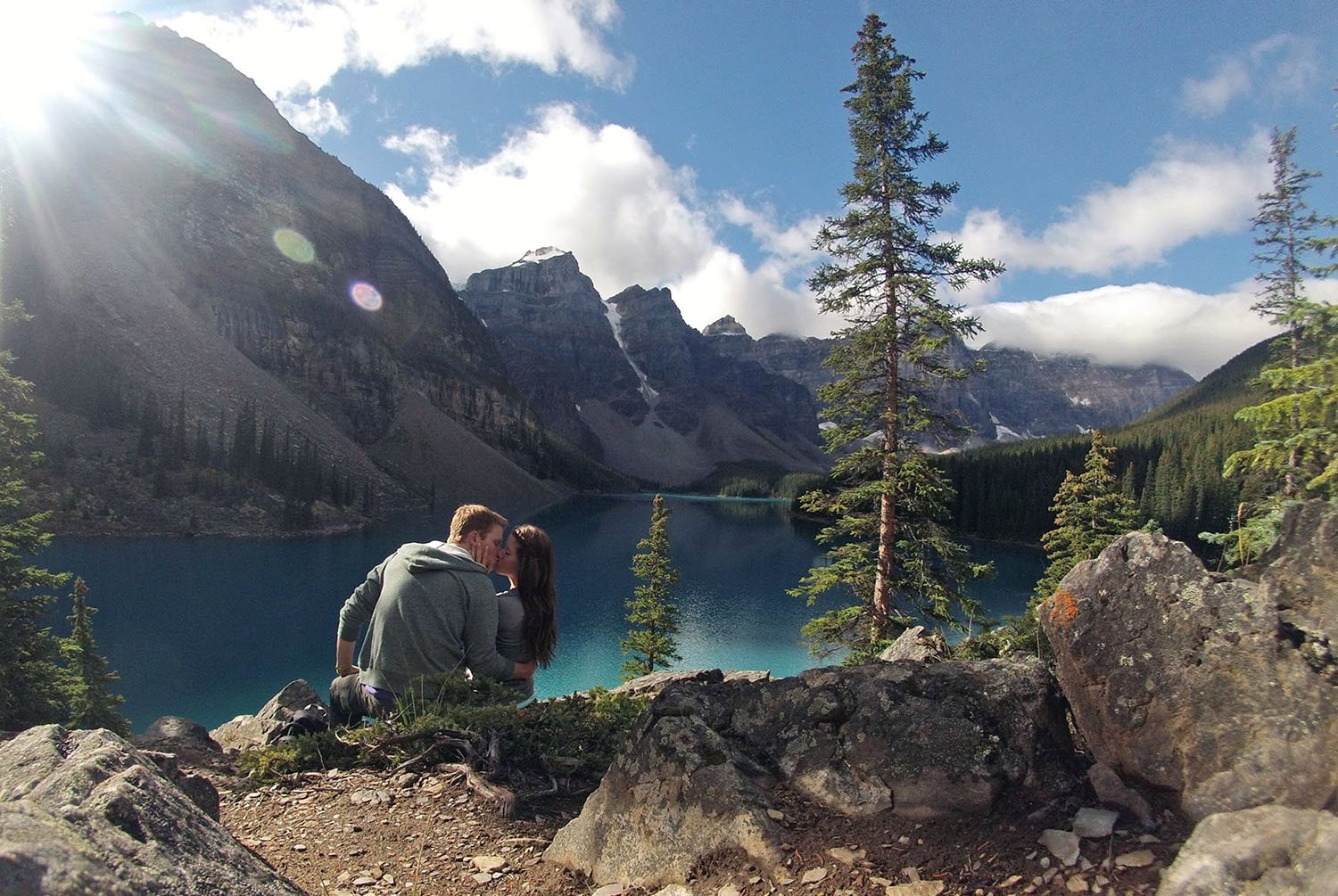
Tranquil Escapes: Where Nature Whispers and Serenity Beckons

Introduction & Background
In a world that moves faster every day, finding moments of peace can feel like an impossible dream. Cities hum with constant activity, notifications flood our screens, and the weight of daily responsibilities often leaves little room for stillness. Yet, tucked away in nature’s embrace are places where time slows down, where the air feels fresher, and where the mind can finally rest. These are the tranquil escapes, serene havens where the whispers of the natural world blend seamlessly with the quiet rhythm of solitude. Whether it is a secluded forest trail, a quiet lakeside retreat, or a mountain meadow bathed in golden sunlight, such places offer more than just scenery. They provide a sanctuary for the soul, a chance to reconnect with the earth and with ourselves. The significance of these escapes cannot be overstated. They are not mere destinations but experiences that rejuvenate the spirit and restore balance in an overwhelming world.
Concept & Overview
A tranquil escape represents a deliberate retreat from the noise and chaos of modern life, a conscious choice to immerse oneself in environments where nature takes center stage. Unlike conventional vacations packed with itineraries and sightseeing, these escapes are defined by stillness, simplicity, and presence. The core idea is to step away from the demands of technology and daily routines, allowing the senses to awaken to the subtle wonders of the natural world. This concept is rooted in the understanding that human well-being is deeply intertwined with the health of the planet. Studies have shown that spending time in nature reduces stress, lowers blood pressure, and enhances mental clarity. A tranquil escape, therefore, is not just about relaxation but about restoring harmony within and around us. It can take many forms, from a weekend camping trip under a star-filled sky to a solitary walk along a quiet beach at dawn. What unites these experiences is the shared intention to listen, observe, and breathe deeply.
Key Features & Highlights
- Seclusion and Solitude: True tranquil escapes are often found far from crowded tourist spots, offering privacy and a sense of being undisturbed by human activity.
- Natural Beauty: They are characterized by breathtaking landscapes, whether rolling hills, dense forests, crystal-clear lakes, or cascading waterfalls, each providing a feast for the eyes.
- Accessibility: While some escapes require effort to reach, others are surprisingly close to urban areas, making them accessible to those seeking a quick respite from daily stress.
- Minimal Distractions: These places are free from the constant buzz of notifications, allowing visitors to disconnect from devices and reconnect with their surroundings.
- Sensory Engagement: The sights, sounds, and smells of nature become more pronounced, awakening a deeper appreciation for the environment and its delicate balance.
- Sustainability Focus: Many tranquil escapes are located in protected areas or eco-friendly retreats, emphasizing responsible travel and conservation efforts.
- Personal Reflection: The stillness of these places creates an ideal setting for introspection, meditation, or creative pursuits like writing and painting.
Frequently Asked Questions / Pros & Cons
What exactly qualifies as a tranquil escape?
A tranquil escape is any place where nature predominates and human activity is minimal, allowing individuals to experience peace and stillness. It could be a remote cabin in the woods, a quiet island, a desert oasis, or a secluded beach. The key factor is the absence of noise, crowds, and modern distractions.
Is solitude necessary for a tranquil escape?
While solitude enhances the experience, it is not always required. Some people find peace in small, peaceful communities or guided nature retreats where silence and reflection are encouraged. The essential element is the environment’s ability to foster calm and presence.
Can tranquil escapes be found near cities?
Yes, many tranquil escapes are surprisingly accessible from urban areas. Parks, botanical gardens, riverside walks, and even rooftop gardens in cities can serve as mini-escapes if approached with the right mindset. The goal is to find a space where nature feels dominant and undisturbed.
Are tranquil escapes only for outdoor enthusiasts?
Not at all. While hiking, camping, and adventure activities appeal to many, tranquil escapes are also ideal for those who prefer gentle walks, bird-watching, reading in a hammock, or simply sitting quietly by a window overlooking a garden or forest. The pace is gentle and adaptable to individual preferences.
What are the benefits of visiting a tranquil escape regularly?
Frequent visits to tranquil escapes can lead to long-term benefits such as reduced stress levels, improved sleep, increased creativity, and a stronger connection to the natural world. Over time, these experiences can foster a more mindful and balanced approach to life.
Are there any drawbacks to tranquil escapes?
One potential challenge is the initial effort required to reach remote locations, which may involve travel time or physical exertion. Additionally, some people might feel uneasy in unfamiliar, quiet surroundings if they are used to constant stimulation. However, these challenges often give way to deeper rewards once the initial adjustment is made.
Practical Guidance & Solutions
Embarking on a tranquil escape begins with intention. Start by identifying what kind of environment resonates most with you. Do you need the sound of waves, the rustle of leaves, or the vast openness of a desert? Once you choose your setting, plan your visit with simplicity in mind. Avoid overpacking or creating a busy schedule. Instead, allow space for unstructured time to wander, sit, or do nothing at all.
For those new to nature retreats, consider starting close to home. Urban parks or nearby trails can serve as gentle introductions to the practice of slowing down. Bring a journal to jot down thoughts or a camera to capture fleeting moments of beauty. Resist the urge to document everything on social media, as the goal is to be present, not performative.
If traveling to a distant location, research eco-friendly accommodations that respect the surrounding environment. Many retreats now offer silent dining areas, guided meditation sessions, and even digital detox policies. Inform friends or family of your plans so they understand your temporary unavailability. Pack light, prioritizing essentials like a reusable water bottle, comfortable shoes, and layers of clothing for changing weather.
Upon arrival, set a simple rhythm for your day. Spend mornings in quiet observation, perhaps watching the sunrise with a warm drink in hand. Afternoons can be used for gentle exploration or rest, while evenings invite reflection under a canopy of stars. If your mind wanders to daily concerns, gently guide your attention back to the present moment, noticing the texture of leaves, the scent of pine, or the coolness of morning dew.
For those struggling to disconnect, try setting boundaries with technology. Turn off notifications, leave your phone in your bag, or use airplane mode to create a digital barrier. Remember that the purpose of the escape is renewal, not obligation. It is okay to feel restless at first, as the mind adjusts to a slower pace. Trust that with each visit, the benefits will become more apparent.
Conclusion
Tranquil escapes are more than just getaways. They are invitations to pause, to listen, and to remember what it feels like to be truly present. In a culture that glorifies busyness, these quiet corners of the world offer a gentle rebellion, a chance to reclaim our attention, our breath, and our inner calm. Whether you find yourself standing on a mountaintop, sitting beside a babbling brook, or simply gazing out a window at swaying trees, the message is the same. Nature is always whispering, waiting for us to slow down and listen. The next time life feels overwhelming, consider stepping outside, breathing deeply, and letting the earth guide you toward serenity. The whispers are there. All you have to do is stop, look, and hear.