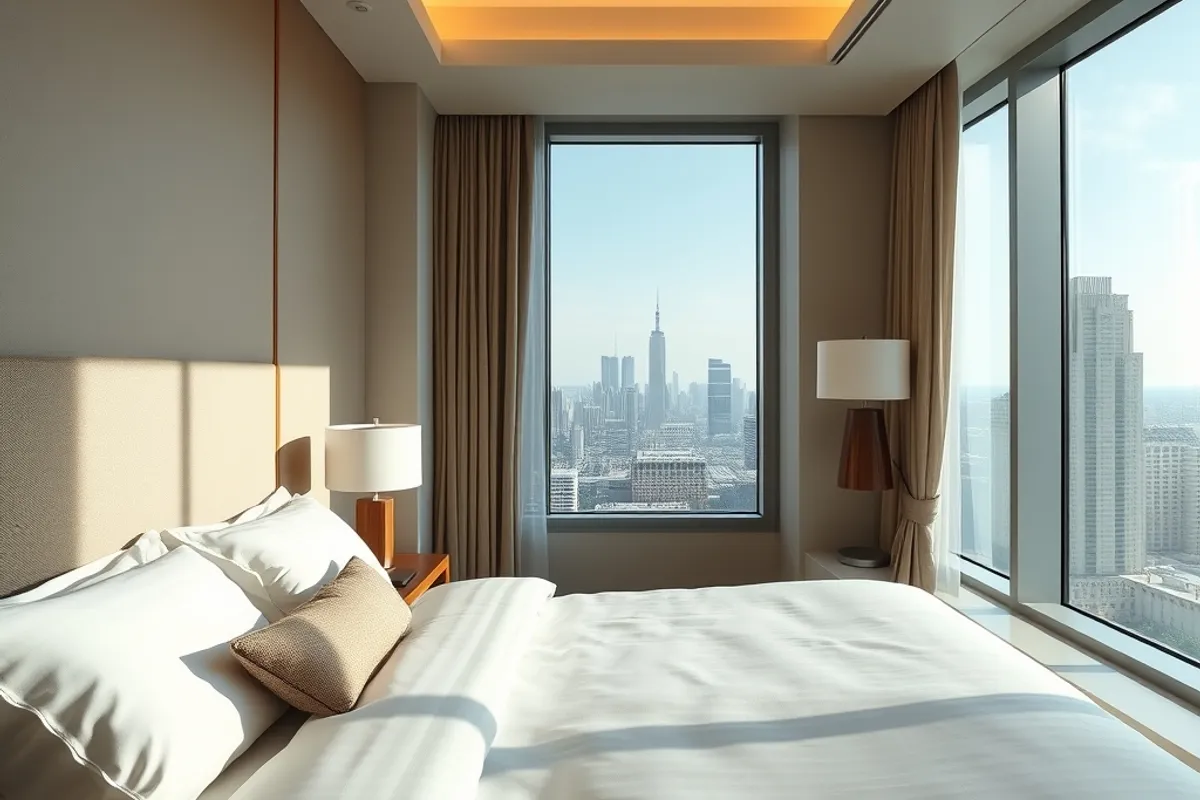
Hotel location is usually reduced to "central" or "near the station". Both are useful, but neither tells you whether you can sleep, walk to dinner or reach the airport at 5am without a stressful transfer.
This guide explains how to judge a hotel address on transit, noise, walkability, safety and parking before you book in 2026.
Key facts
- Measure walking time to the places you will actually use, not to the city centre pin.
- A hotel beside a station is convenient by day and noisy at night; check the room side.
- One metro line with a direct airport connection can beat a more central address.
- Ground-floor and street-facing rooms are the noisiest; ask for a high floor at the back.
- Parking can cost more than the room difference in some city hotels.
Transit: the line matters more than the distance
A hotel 800 metres from a direct airport line is often better than one 300 metres from a station that requires two changes. Look at the line, the frequency and the first and last train times. A 5am flight changes the value of a 24-hour connection.
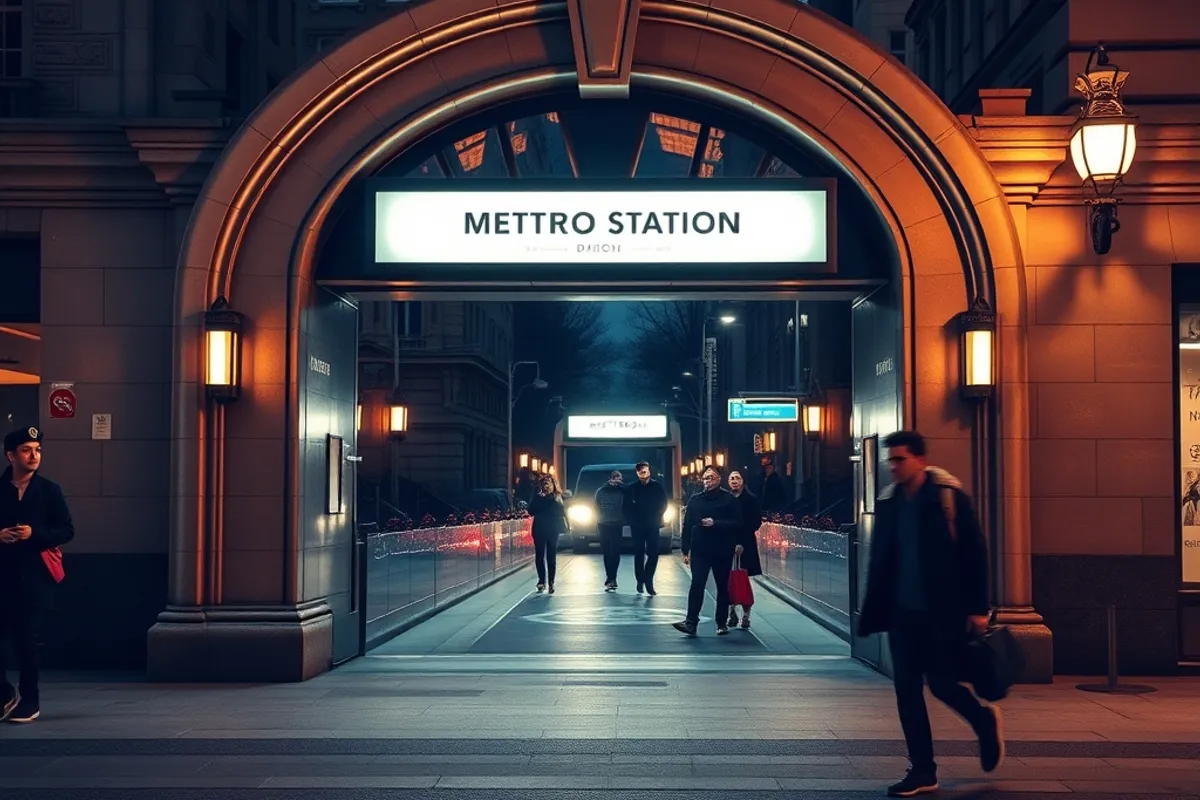
Check the walk from the station to the door at night. A short walk through a lit, busy street is different from a short walk through an underpass. Use street view and recent reviews to see the actual route, not just the straight-line distance.
Noise: street, station and nightlife
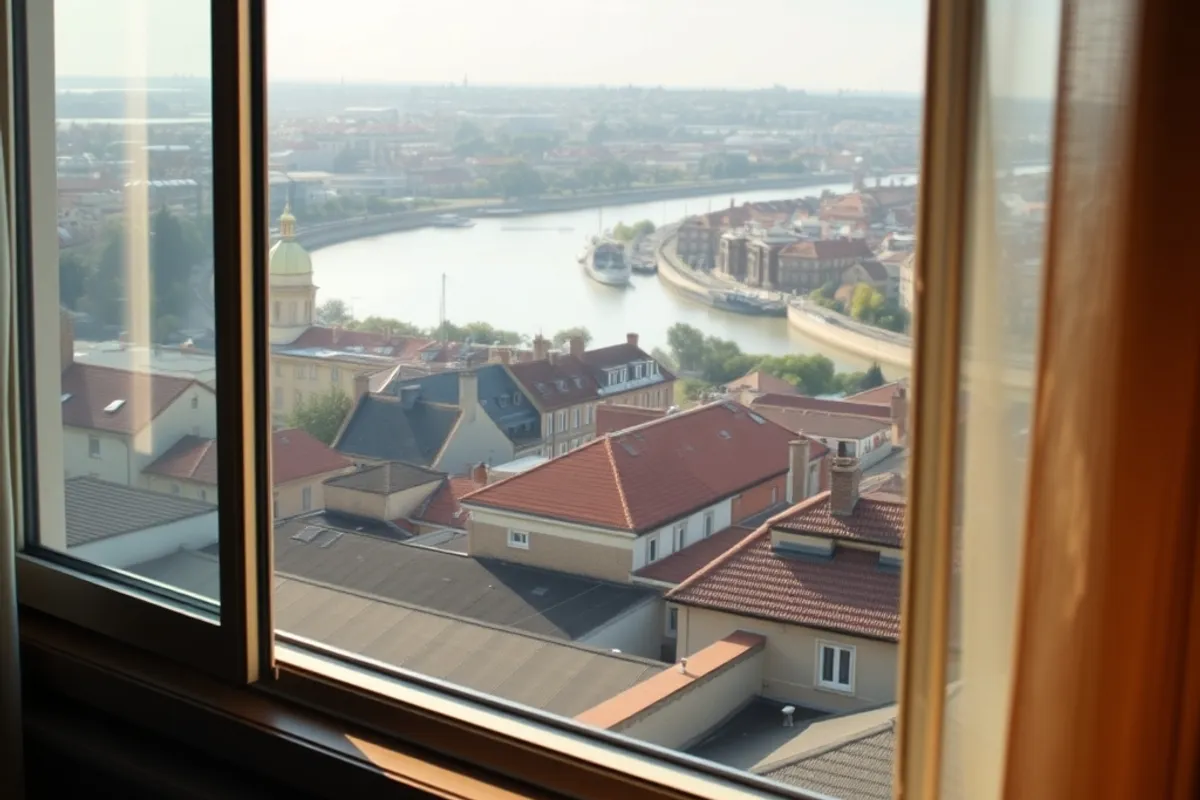
Noise comes from traffic, trams, nightlife, deliveries and other guests. A room facing a main road is louder than a room at the back, even on a high floor. A hotel above a bar is convenient for dinner and poor for sleep. Read recent reviews for specific words: "thin walls", "tram", "bin collection", "courtyard".
Ask for a quiet room at booking and confirm at check-in. Earplugs are a cheap backup, but they are not a substitute for choosing the right side of the building. If you are a light sleeper, avoid rooms near the lift and the ice machine.
Walkability: what is actually within ten minutes
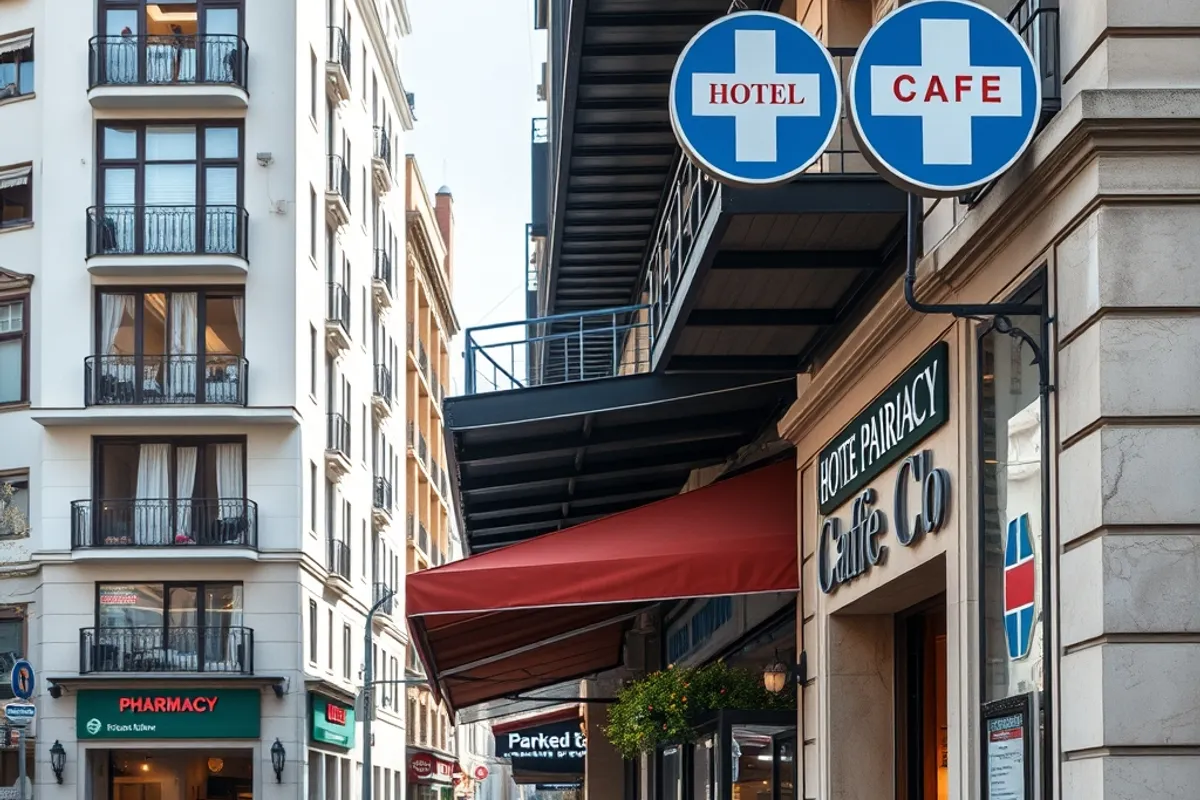
List the three places you will use most: breakfast, dinner and transport. Then measure the real walking route to each. A hotel can be central and still have no decent cafe within ten minutes if it sits in an office district that empties at night.
Check the pavements, crossings and hills. A 400-metre walk with luggage is longer than a 400-metre walk without. If you travel with children or a stroller, confirm step-free routes and lifts at stations.
Safety and the feel of the block
Safety is local and specific. Check recent traveller reviews, local advice and the walk from transit at the hour you will actually arrive. A business district can feel empty at night; a tourist district can feel crowded and pickpocket-heavy. Both are manageable if you know.
Look at the building entrance and the lobby. A staffed 24-hour reception, a well-lit entrance and a lift that requires a room key are practical signals. If you arrive late, ask the hotel to confirm the late-check-in procedure in writing.
You will remember the street you walked every night long after you forget the lobby.
Parking and the cost of a car
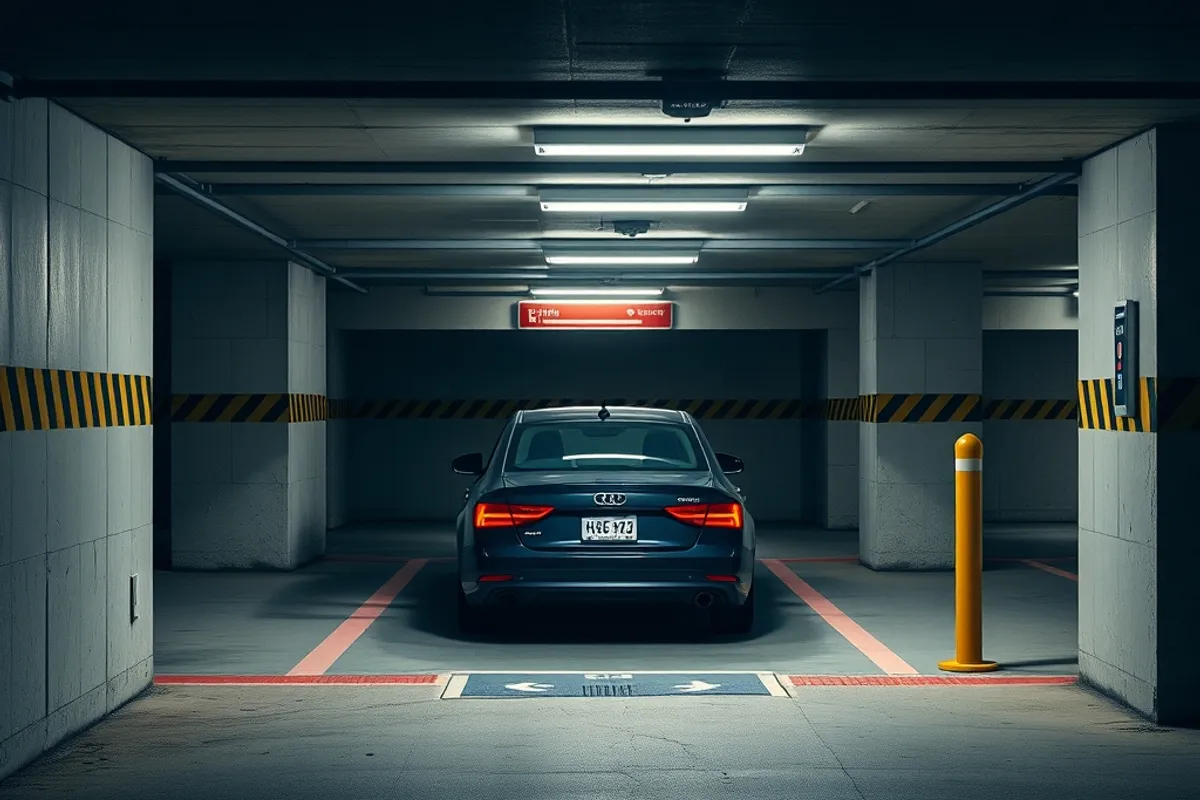
City hotel parking can cost as much per night as a budget room. Check whether the rate includes in-and-out access or charges each time you leave. Some hotels use an off-site garage with a walk; some have a height limit that rules out a roof box.
If you do not need the car in the city, stay somewhere with easy parking on the edge and use transit. A hotel with cheap parking and a direct train can beat a central hotel with a 35 euro nightly garage.
Neighbourhood fit: business, tourist or residential
A business district is quiet at weekends and has good transport but few restaurants. A tourist district is lively and convenient but noisy and expensive. A residential district is cheaper and calmer but may close early. Choose the one that matches your day, not the one with the best photos.
Check the distance to a supermarket, a pharmacy and a laundry if you are staying more than a few nights. Small practical stops decide how much time you spend on errands instead of the trip.
The location checklist
Mark the hotel, the transit stops and the three places you will use most on a map. Measure the walking routes and check the last train. Read recent reviews for noise, safety and cleanliness, and confirm the room side and late-check-in procedure.
Then compare the total cost with parking and taxes. A hotel is a base, not a destination. The best location is the one that makes the rest of the trip easier.
Official source: World Tourism Organization destination guidance.