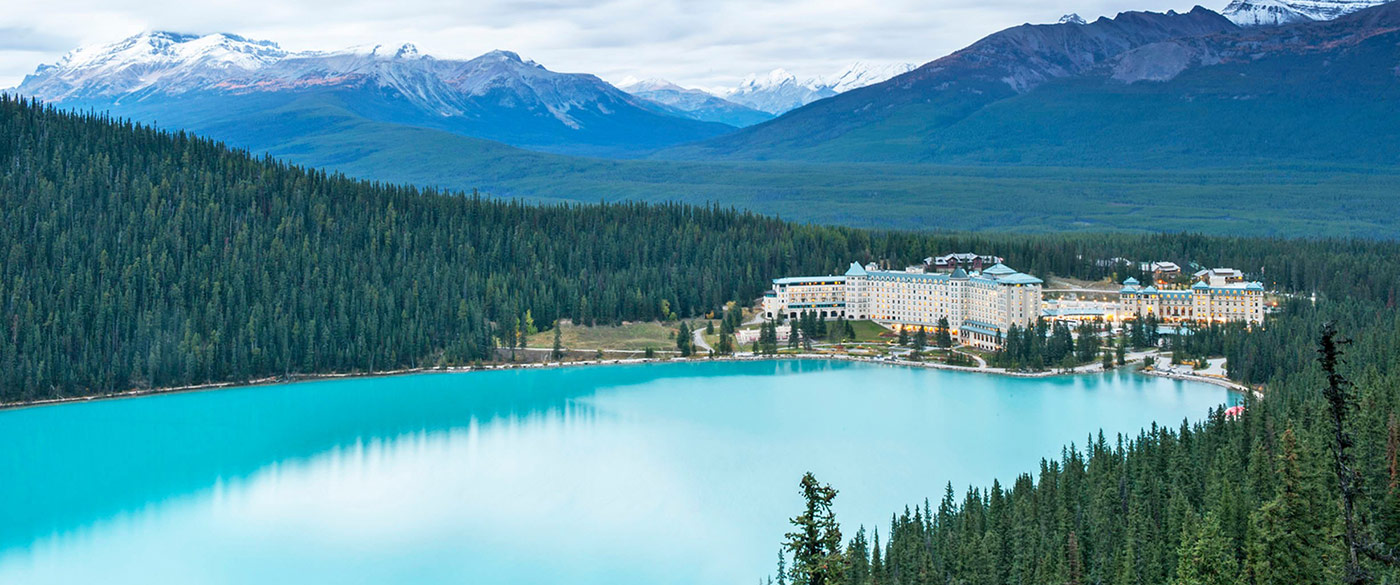
Hidden Paradises: 10 Underrated Scenic Getaways That Will Steal Your Breathe

Introduction & Background
Travelers often seek destinations that offer beauty, tranquility, and a sense of discovery. While famous landmarks and crowded hotspots attract millions, some of the most breathtaking places remain hidden from the usual travel itineraries. These underrated scenic getaways provide an escape from the hustle and bustle, revealing untouched landscapes and authentic cultural experiences. Whether nestled in remote valleys, perched on serene coastlines, or tucked within lush forests, these hidden paradises promise unforgettable moments away from the tourist trail. Exploring these lesser-known gems not only rewards the curious wanderer but also supports sustainable tourism by reducing pressure on over-visited locations.
Concept & Overview
Hidden paradises are destinations that are not widely publicized or easily accessible yet possess extraordinary natural or cultural significance. They often lack the infrastructure of mainstream tourist spots but make up for it with raw beauty, peace, and a deeper connection to local traditions. The concept revolves around intentional exploration, encouraging travelers to venture beyond popular routes and uncover places that feel like private sanctuaries. These locations may be small islands, secluded mountain villages, quiet lakeside retreats, or pristine beaches far removed from commercial development. The goal is to experience destinations in their purest form, where the environment and community remain largely unspoiled by mass tourism.
Key Features & Highlights
- Remote Beauty: These destinations are often found in isolated regions, offering landscapes untouched by urbanization. Think rugged coastlines, alpine meadows, or virgin jungles that remain largely unexplored.
- Cultural Authenticity: Many hidden paradises are home to indigenous communities or traditional cultures that preserve centuries-old customs, crafts, and festivals. Visitors can engage in meaningful exchanges and learn from local ways of life.
- Lack of Crowds: Unlike overcrowded tourist hubs, these places offer solitude and space to breathe. Silence, starry skies, and empty beaches become the norm, creating a deeply restorative experience.
- Affordability: Because they are not major tourist centers, prices for accommodation, food, and activities tend to be lower. This makes them ideal for budget-conscious travelers seeking value without compromise.
- Adventure Opportunities: From hiking through unmarked trails to kayaking in crystal-clear waters, hidden paradises often serve as gateways to thrilling outdoor adventures. The lack of infrastructure means more authentic challenges and rewards.
- Rich Biodiversity: Many of these locations are biodiversity hotspots, sheltering rare flora and fauna. Birdwatching, wildlife spotting, and nature photography flourish in these pristine environments.
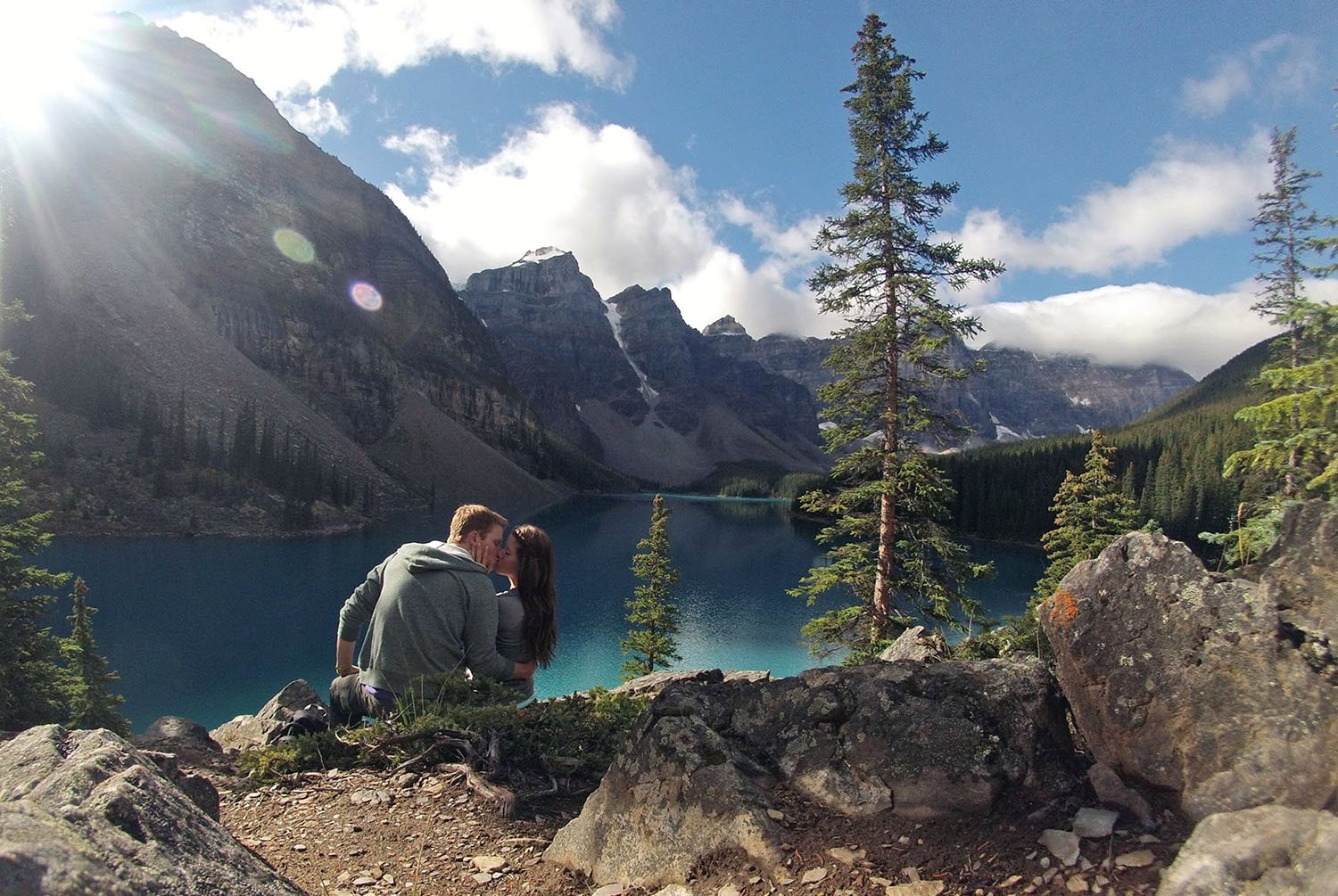
- Photographic Potential: With dramatic sunsets, mirror-like lakes, and sweeping valleys, these destinations offer endless opportunities for stunning photographs that capture the essence of untouched nature.
- Sustainable Tourism: By visiting lesser-known places, travelers contribute to local economies without overwhelming fragile ecosystems. Many communities actively promote eco-friendly tourism practices.
- Seasonal Magic: Some hidden paradises reveal their true beauty only during certain times of the year, such as wildflower blooms, migration seasons, or winter snowscapes, adding a layer of exclusivity to the visit.
- Personal Transformation: Stepping away from daily routines into such serene settings can foster self-reflection, creativity, and a renewed sense of wonder about the natural world.
Frequently Asked Questions / Pros & Cons
What exactly makes a destination a “hidden paradise”?
A hidden paradise is typically a location that is not widely known or heavily marketed to tourists. It may lack hotels, restaurants, or tour operators catering to international visitors. These places often have limited accessibility, whether through rough roads, boat rides, or long hikes. Their appeal lies in their untouched beauty, cultural depth, and the sense of discovery they offer to those who find them.
Are these destinations safe for solo travelers, especially women?
Safety varies depending on the location. While many hidden paradises are welcoming and peaceful, some remote areas may lack basic services like hospitals or police stations. Researching local customs, learning a few phrases in the native language, and connecting with fellow travelers or local guides can enhance safety. It’s wise to choose destinations with a reputation for hospitality and to inform someone of your itinerary before setting off.
How do I find these hidden locations without relying on mainstream travel guides?
Start by exploring niche travel blogs, forums, and social media groups dedicated to off-the-beaten-path travel. Local tourism boards or community websites often highlight lesser-known attractions. Word-of-mouth recommendations from fellow travelers or locals you meet along the way can also lead to unexpected gems. Satellite imagery tools can help identify secluded areas worth investigating.
What are the drawbacks of visiting such remote places?
Limited Accessibility: Some hidden paradises require long journeys, rough terrain, or multiple modes of transport, which can be physically demanding. Basic Amenities: Expect fewer conveniences like hot water, reliable Wi-Fi, or medical facilities. Seasonal Closures: Some locations may be inaccessible during certain months due to weather conditions. Communication Barriers: Language differences can pose challenges, especially in communities with limited English speakers. Logistical Challenges: Booking accommodations or transport may require more planning and flexibility.
Can hidden paradises be visited year-round?
Not all hidden paradises are accessible throughout the year. Weather patterns, road conditions, or local festivals can influence the best time to visit. For instance, tropical islands may face monsoon seasons, while mountain retreats could become inaccessible in winter. Researching the ideal season for each destination ensures a smoother and more enjoyable experience.
Practical Guidance & Solutions
To make the most of your journey to a hidden paradise, preparation is key. Start by narrowing down destinations based on your interests, whether it’s adventure, relaxation, or cultural immersion. Create a flexible itinerary that accounts for travel time and potential delays. Pack smartly, bringing essentials like sturdy footwear, weather-appropriate clothing, and a first-aid kit. Learn basic local phrases to facilitate communication and show respect for the culture.
Connect with locals or hire a guide who can offer insider knowledge and enhance your experience. Use offline maps and download useful apps ahead of time, as connectivity may be limited. Travel light but efficiently, carrying only what you need to move comfortably. Stay open to spontaneity and unexpected detours, as some of the best experiences come from unplanned moments.
Support the local economy by choosing locally owned accommodations, dining at family-run eateries, and purchasing handmade crafts. Respect the environment by following Leave No Trace principles, minimizing waste, and avoiding activities that harm wildlife or ecosystems. Before you go, check travel advisories and register with your embassy if necessary to ensure a safe and smooth journey.
Conclusion
Hidden paradises are more than just travel destinations; they are invitations to reconnect with the world in its most authentic form. These underrated getaways offer a chance to escape the ordinary, to witness nature’s unspoiled grandeur, and to engage with cultures that thrive away from the spotlight. While they may require extra effort to reach, the rewards are immeasurable: moments of awe, deep personal reflection, and memories that linger long after the journey ends.
As travelers, we have the power to shape the future of tourism by seeking out and supporting these lesser-known places. By venturing off the beaten path, we not only enrich our own lives but also help preserve the beauty and integrity of these hidden treasures for generations to come. So pack your bags, leave the tourist traps behind, and set out to discover the world’s best-kept secrets, one serene landscape at a time.


:max_bytes(150000):strip_icc()/GettyImages-1825278316-df5f291d61034fa3ab71563a4ab30333.jpg "Journey Stay for Every Budget")