Enchanted Heights: Where Mountain Lodges Whisper Tales of Adventure

Introduction & Background
Nestled high above the clouds, mountain lodges have long stood as gateways to adventure and tranquility. These enchanting retreats are more than just places to rest, they are storytellers, whispering tales of exploration, resilience, and the raw beauty of nature. For centuries, travelers have sought out these elevated sanctuaries to escape the noise of modern life and reconnect with the wild. Whether perched on a rugged cliff or tucked into a pine-forested slope, mountain lodges embody the spirit of adventure while offering a rare blend of comfort and wilderness.
From the European Alps to the North American Rockies, each lodge carries a unique history shaped by the landscape around it. Some were born from practical needs, built by miners or shepherds who required shelter in harsh conditions. Others emerged as grand hospitality ventures, designed to lure visitors into the embrace of towering peaks and endless horizons. Today, these lodges serve as vital links between humanity and the untamed world, providing a sanctuary for those who seek both thrill and solace.
Concept & Overview
The essence of a mountain lodge lies in its harmony with its environment. Unlike conventional hotels, these establishments are crafted to blend seamlessly with the surrounding terrain, using local materials and traditional architecture to preserve the natural aesthetic. The concept revolves around creating spaces that are both functional and evocative, where every window frames a masterpiece of nature and every hearth tells a story of shared warmth.
Mountain lodges are often positioned in remote locations, accessible only by winding trails or scenic gondolas. This isolation is intentional, designed to immerse guests in an environment where the pace of life slows and the senses awaken. The architecture itself reflects the rugged charm of the mountains, with stone fireplaces, wooden beams, and cozy textiles that echo the traditions of the region. Whether rustic or refined, each lodge aims to foster a sense of connection, to the land, to oneself, and to fellow travelers.
Beyond their physical presence, mountain lodges operate on a philosophy of sustainable hospitality. Many are powered by renewable energy, source ingredients locally, and prioritize conservation efforts to protect fragile ecosystems. This commitment ensures that the magic of these places endures for generations to come, allowing future adventurers to experience the same awe-inspiring landscapes.
Key Features & Highlights
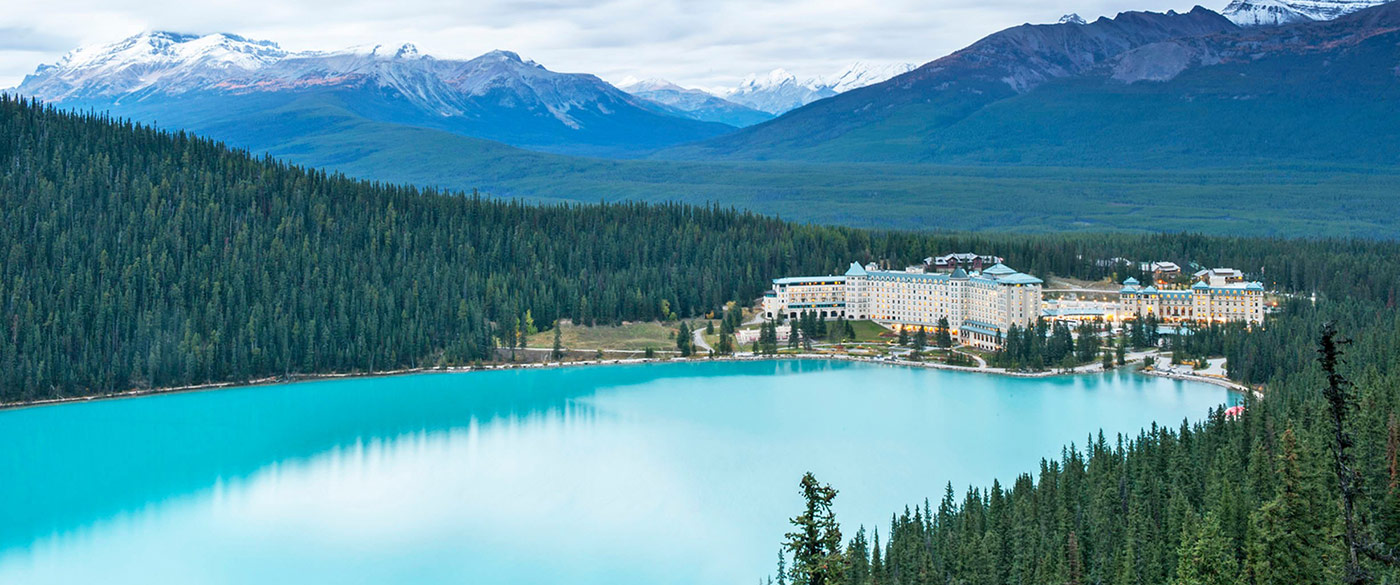
- Stunning Views: Each lodge offers panoramic vistas of jagged peaks, alpine meadows, or winding valleys. Sunrise over snow-capped mountains or the golden hues of an autumn forest become daily spectacles.
- Adventure Hubs: Many lodges serve as launching points for hiking, skiing, rock climbing, and wildlife watching. Trained guides and curated itineraries help guests explore safely and confidently.
- Gourmet Local Cuisine: Dining at a mountain lodge is an experience in itself, with menus featuring regional specialties, fresh game, wild berries, and artisanal cheeses.
- Cozy Atmosphere: Interiors are designed for warmth and comfort, with crackling fireplaces, plush seating, and soft lighting that invites relaxation after a day of exploration.
- Sustainability Initiatives: From solar panels to water conservation, many lodges lead by example, minimizing their environmental footprint while educating guests about responsible travel.
- Cultural Immersion: Some lodges offer workshops in local crafts, storytelling sessions, or guided tours that delve into the history and folklore of the region.
- Exclusive Access: Certain lodges are located within protected areas or private estates, granting guests privileged entry to pristine wilderness or cultural landmarks.
Frequently Asked Questions / Pros & Cons
What makes a mountain lodge different from a regular hotel?
A mountain lodge is uniquely tied to its landscape, both in design and purpose. Unlike standard hotels, lodges are often smaller, more personal, and located in remote or high-altitude areas. They prioritize outdoor access over city conveniences and offer experiences rooted in nature.
Are mountain lodges suitable for families with children?
Yes, many lodges are family-friendly, with activities such as gentle hikes, wildlife spotting, and craft workshops. However, parents should consider the lodge’s location and accessibility, as some high-altitude lodges may not be suitable for very young children.
What is the best time of year to visit a mountain lodge?
This depends on the region and your interests. Summer offers wildflower hikes and clear trails, while autumn brings vibrant foliage and fewer crowds. Winter is ideal for skiing and snow sports, and spring showcases melting snow and cascading waterfalls.
Do mountain lodges provide gear for outdoor activities?
Many lodges offer equipment rentals or have partnerships with local outfitters for activities like skiing, snowshoeing, or climbing. It’s advisable to confirm availability in advance, especially during peak seasons.
What are the main drawbacks of staying at a mountain lodge?
Remote locations can mean limited access to medical facilities or modern amenities. Weather conditions may also affect travel plans, and some lodges have seasonal closures. Internet connectivity can be unreliable, which may be a challenge for those who need to stay connected.
Are mountain lodges eco-friendly?
Many modern lodges prioritize sustainability through practices like waste reduction, energy efficiency, and local sourcing. However, not all lodges are equally committed, so it’s important to research their environmental policies before booking.
Practical Guidance & Solutions
Choosing the right mountain lodge begins with aligning your travel goals with the lodge’s offerings. If your priority is adventure, look for lodges that provide guided excursions and have strong connections to outdoor activity providers. For those seeking relaxation, focus on lodges with spa services, quiet reading nooks, and scenic viewpoints.
Before booking, read recent guest reviews to gauge the lodge’s true atmosphere and service quality. Pay attention to comments about weather preparedness, meal quality, and staff friendliness. It’s also wise to check the lodge’s cancellation policy, especially if your travel dates are flexible.
Packing appropriately is essential for a mountain lodge stay. Bring layered clothing to accommodate changing temperatures, sturdy footwear for uneven terrain, and a reusable water bottle to stay hydrated. If you plan to engage in outdoor activities, inquire about required gear and whether the lodge provides complimentary access.
To minimize environmental impact, travel during off-peak seasons when possible, and support lodges that invest in conservation efforts. Consider offsetting your travel emissions and choosing eco-certified accommodations. Engaging with local culture respectfully, through responsible tourism practices, enriches your experience while preserving the lodge’s community.
Conclusion
Mountain lodges are more than destinations, they are gateways to transformation. They challenge us to slow down, breathe deeply, and rediscover the joy of simplicity amidst nature’s grandeur. Whether you’re scaling a summit, sharing stories by the fire, or simply watching the sun paint the peaks in gold, these enchanted heights offer something profound. They remind us that adventure is not just out there in the wild, but also within the quiet moments of reflection and connection.
As you plan your next escape, consider the call of the mountains. Let the whispers of the lodges guide you to experiences that nourish the soul and ignite the spirit. After all, the greatest tales are not just told, they are lived, one step at a time, at the edge of the sky.