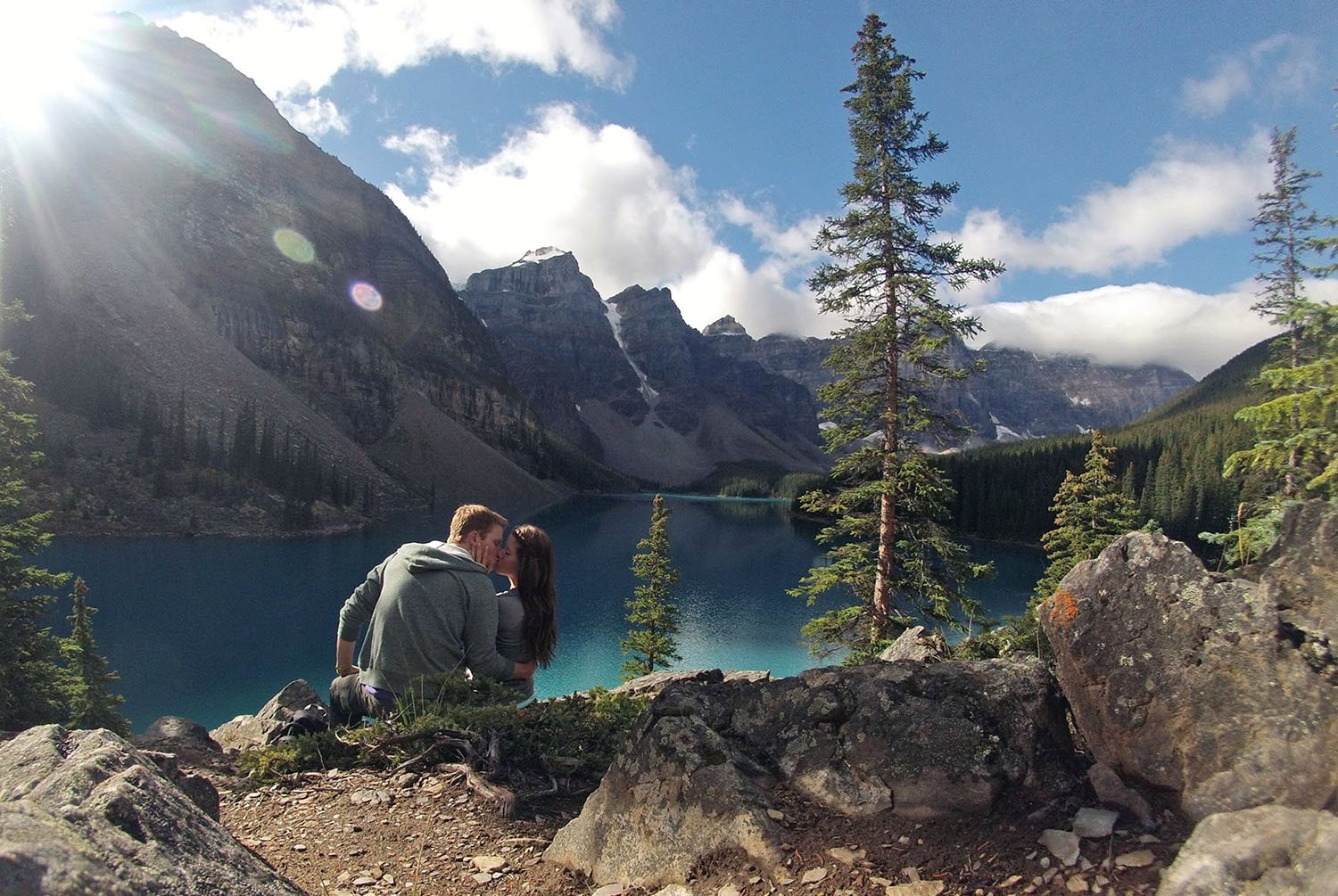
Discovering the Unseen: Hidden Gems That Make Travel Truly Magical

Introduction & Background
Travel is often celebrated for its ability to transport us to new places, cultures, and experiences. Yet, while iconic landmarks and bustling cities capture most travelers’ attention, there exists a quieter, more profound side of travel. These are the hidden gems, the tucked-away villages, secret trails, and overlooked local traditions that transform a journey from ordinary to extraordinary. In a world where popular destinations can feel overcrowded and commercialized, discovering the unseen offers a chance to connect more deeply with a place and its people. This article explores why these hidden treasures are essential to truly magical travel experiences and how to find them.
Concept & Overview
Hidden gems in travel refer to lesser-known, off-the-beaten-path locations and experiences that are not typically featured in mainstream travel guides or itineraries. Unlike famous landmarks that draw thousands of visitors daily, these places often remain unspoiled by mass tourism, offering authenticity, tranquility, and a sense of discovery. The concept revolves around the idea that the most memorable travel moments often come from unexpected encounters, whether it’s stumbling upon a family-run café in a quiet Sicilian village or hiking a secluded trail in Patagonia that leads to a pristine alpine lake. These experiences challenge the notion that travel must be defined by crowds and long lines, instead emphasizing curiosity, patience, and a willingness to step beyond the familiar.
Key Features & Highlights
- Authentic local culture. Hidden gems provide opportunities to engage with traditions, festivals, and lifestyles that remain untouched by globalization. For example, visiting a small pottery workshop in Oaxaca, Mexico, or joining a traditional tea ceremony in Kyoto’s suburbs offers insights that tourist-heavy cities simply cannot replicate.
- Natural beauty without the crowds. Many of the world’s most stunning landscapes are accessible only through lesser-known trails or remote regions. The turquoise pools of Pamukkale in Turkey, for instance, are breathtaking, but if you visit the nearby hidden travertine terraces in the early morning, you’ll find them almost empty.
- Unique culinary discoveries. Away from tourist hotspots, local markets, family-run eateries, and regional specialties take center stage. Sampling fresh seafood in a tiny fishing village in Portugal or tasting artisanal cheese in the Swiss Alps can become some of the most delicious highlights of a trip.
- Historical and architectural treasures. Forgotten ruins, ancient villages, and overlooked architectural marvels often hold stories that guidebooks miss. The cliffside cave dwellings of Cappadocia in Turkey or the medieval hilltop town of Montepulciano in Italy are just two examples of places where history feels alive and intimate.
- Sustainable and responsible travel. By choosing hidden gems over overcrowded destinations, travelers can support local economies without contributing to environmental degradation. Visiting a rural homestay in Bali or a community-based tourism project in the Andes helps preserve traditions and ecosystems in ways that large resorts cannot.
Frequently Asked Questions / Pros & Cons
What exactly qualifies as a “hidden gem”?
A hidden gem is any travel experience that isn’t widely advertised or overvisited, yet offers something truly special. This could be a destination, activity, or local interaction that remains undiscovered by the majority of tourists. While the term is subjective, it generally refers to places that require effort to find but reward visitors with authenticity and wonder.
Are hidden gems always better than popular tourist spots?
Not necessarily. Popular destinations became famous for good reasons, such as accessibility, historical significance, or natural beauty. Hidden gems, while often more unique, might lack infrastructure, safety precautions, or amenities. The best approach is to balance between exploring the unknown and appreciating the well-loved sites that have stood the test of time.
Pros of seeking hidden gems:
- Deeper cultural immersion and more meaningful connections with locals.
- Less crowded and more peaceful experiences.
- Opportunities to support small businesses and sustainable tourism practices.
- A stronger sense of adventure and personal growth through discovery.
Cons of seeking hidden gems:
- Potential language barriers or lack of tourist services in remote areas.
- Greater challenges in planning logistics, such as transportation and accommodation.
- Possible safety concerns in regions with limited infrastructure or political instability.
- Higher possibility of unexpected changes or closures, especially in rural areas.
Practical Guidance & Solutions
Discovering hidden gems requires a mix of research, flexibility, and an open mind. Start by reading travel blogs, forums, and local social media groups where residents share their favorite spots. Look beyond the usual guidebooks and consider reaching out to people who live in or have recently visited your intended destination. Apps like Atlas Obscura or Spotted by Locals can also point you toward unusual attractions and insider tips.
When traveling, allow time for spontaneity. Some of the best discoveries happen when plans change unexpectedly. Strike up conversations with locals at markets, cafes, or public transport hubs. Ask simple questions like, “Where do you go to escape the crowds?” or “What’s your favorite place here that tourists often miss?” Often, the most valuable advice comes from those who call the place home.
For logistical challenges, plan ahead but remain adaptable. Book accommodations in smaller towns or neighborhoods slightly off the main tourist route. Use public transportation or rent a car to reach remote areas, but always check road conditions and safety guidelines. Pack light but include essentials like a portable charger, a phrasebook, and a sense of curiosity.
Finally, approach hidden gems with respect. Leave no trace, support local businesses, and be mindful of cultural norms. The goal is to preserve the magic of these places so that others can discover them too.
Conclusion
Travel isn’t just about checking destinations off a list. It’s about the stories we collect, the people we meet, and the moments that stay with us long after we return home. Hidden gems offer a pathway to those deeper, more personal experiences that turn a trip into a transformative journey. They remind us that adventure isn’t reserved for the extraordinary, but can be found in the quiet alleys, the unmarked trails, and the conversations that begin with a simple question. So the next time you plan a trip, dare to go beyond the obvious. The magic lies in the unseen, waiting to be discovered by those willing to look closer and wander further.