Most sightseeing days fail in the planning, not on the day. The list is too long, the tickets are bought in the wrong order and the walking route doubles back through the busiest square three times.
This guide shows how to sequence a city day around opening hours, timed tickets, transit and food, using a route that works in real crowds in 2026.
Key facts
- Build the day around one anchor attraction and two or three nearby stops, not six.
- Timed tickets set the skeleton of the day; everything else fills the gaps.
- A transit day pass pays off at roughly three or more rides, depending on the city.
- Museums are busiest from 11am to 3pm; outdoor sights are busiest at midday.
- Leave 20 minutes between stops for walking, security and toilets.
Pick one anchor and build around it
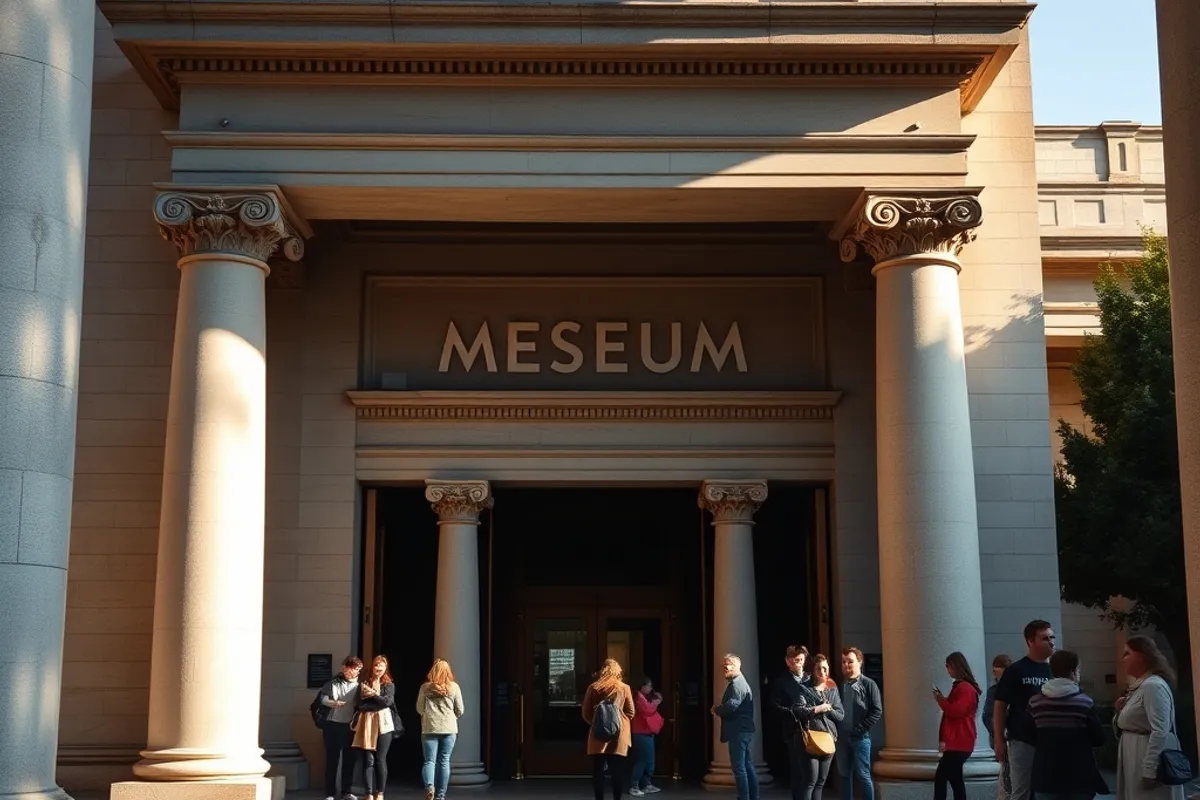
Choose the one attraction you would regret missing, book its timed slot, then place everything else within walking distance or one transit stop. The anchor sets the day; the rest are optional. This prevents the classic mistake of crossing the city three times to tick boxes.
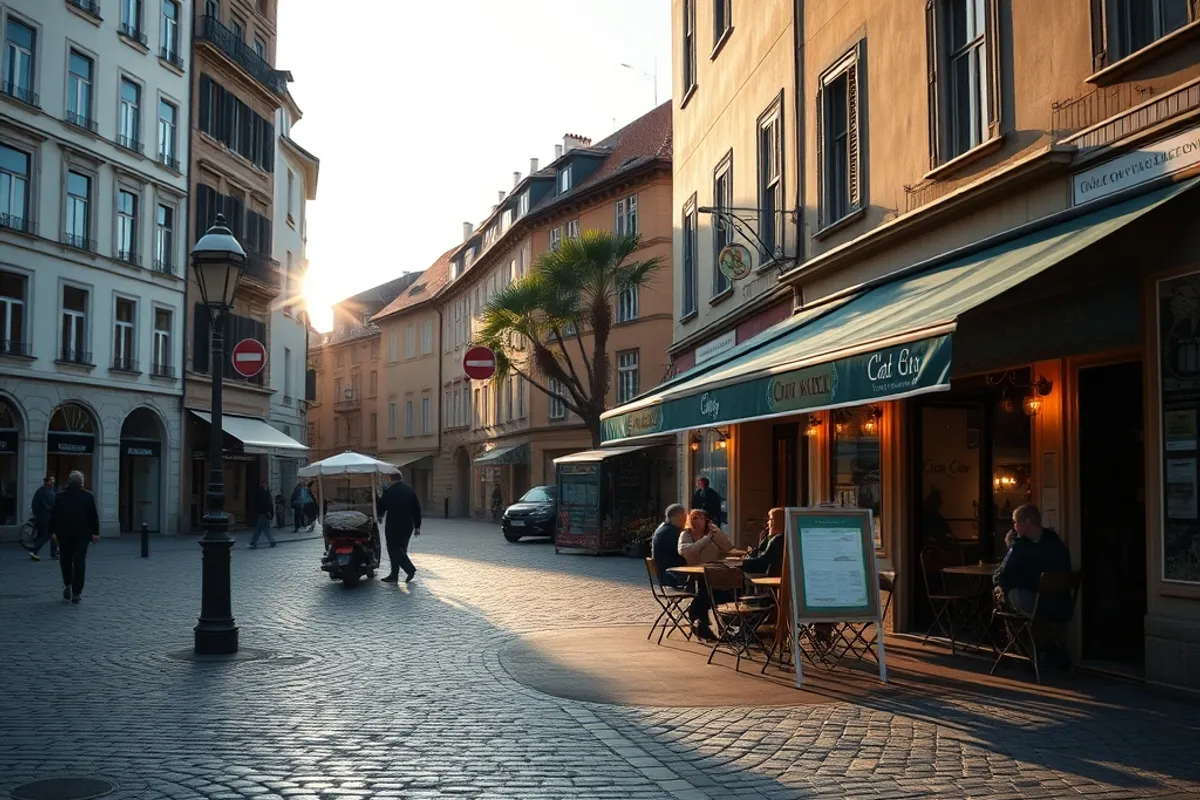
Cluster by neighbourhood, not by category. Two museums beside each other are a better pair than two museums across town, even if the second is more famous. A good day has one big sight, one smaller sight and a pleasant walk between them.
Tickets: timed, combo and city passes
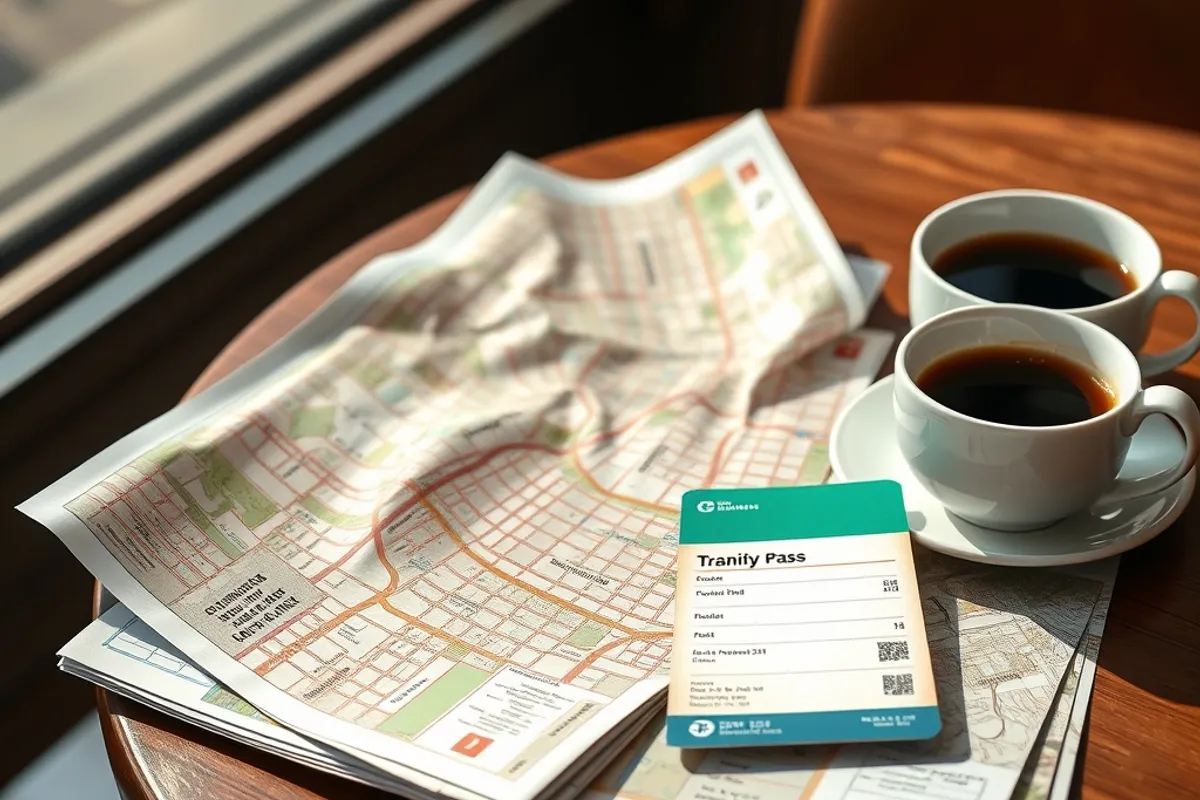
Buy timed tickets directly from the attraction and keep them offline. A combo ticket is worth it only if both attractions are on the same route and you will visit both. A city pass is worth it only after you add up the individual prices of what you actually plan to see.
Check whether the pass includes transit, which can make it excellent value, and whether it requires reservation at each attraction. A pass that needs a separate booking for every site is not a fast track; it is a second queue.
Timing the day around crowds and light
Start with the anchor at opening or late afternoon. Put outdoor sights in the early morning or golden hour, when the light is better and the heat is lower. Put indoor sights in the middle of the day, when the sun is harsh and the queues are long anyway.
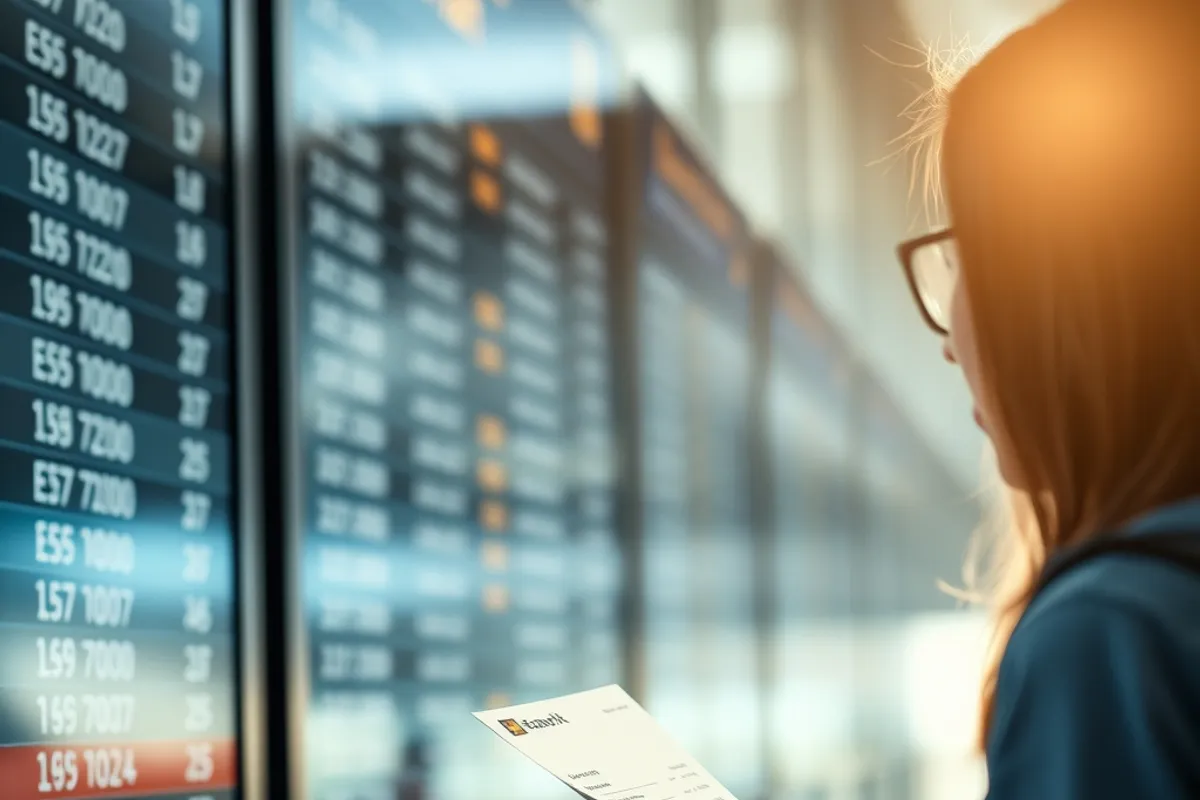
Leave a buffer for security, bag checks and toilets. A 30-minute slot at a major museum is not 30 minutes of looking; it is 10 minutes of queueing and 20 minutes of walking. Plan fewer things and actually see them.
Transit passes, walking and the last mile
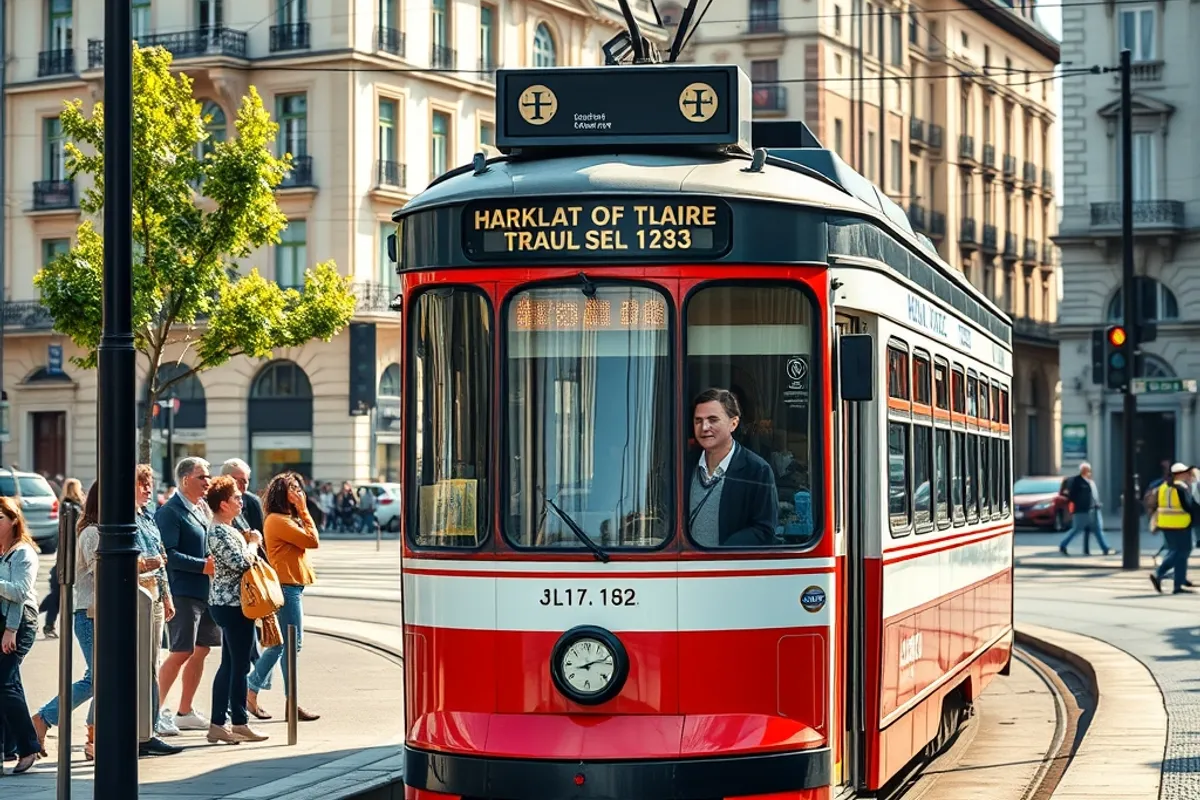
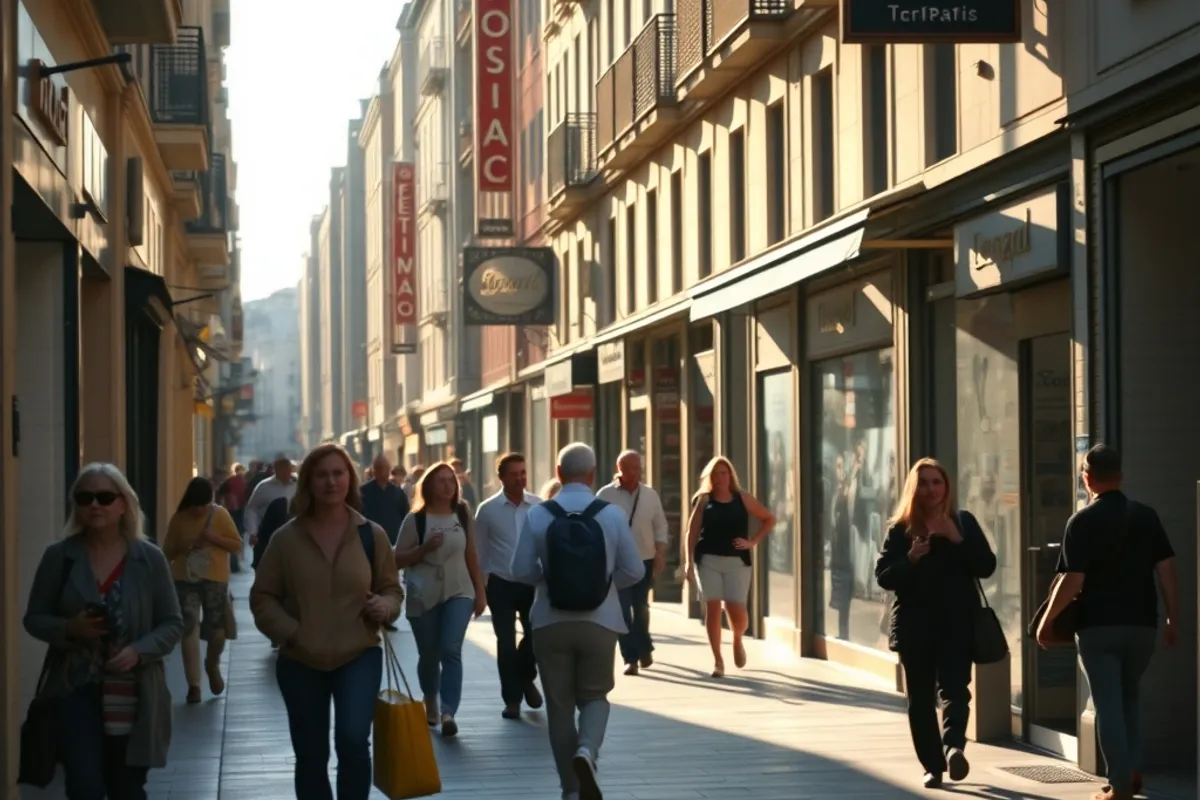
A day pass is usually worth it at three or more rides. Check whether it covers the airport or only the city zone, and whether it is valid on buses, trams and ferries. In walkable centres, walking is faster than waiting for a bus, but the last mile to a museum can be longer than the map suggests.
Download an offline map and mark the stops before you leave. Signal can fail inside stations and old buildings. If you use taxis, agree the price or use the meter, and keep the address in the local language.
A city is not a checklist. It is a route with a few good stops and enough time to look up.
Food, water and the energy curve
Book lunch or eat early. The 1pm restaurant queue is the same crowd you escaped at the museum. A picnic or a market lunch saves time and money, and gives you a seat when the cafes are full. Carry water, especially in summer.
Plan the day in two halves with a sit-down break. The energy curve is real: most people fade after four hours of walking. A 30-minute pause in a park or a cafe buys another two good hours.
Weather, closures and the backup plan
Check opening days and seasonal closures before you build the route. Some museums close on Mondays; some churches close at midday; some viewpoints close in high wind. A backup indoor option keeps the day alive in rain.
Weather can also improve the plan. A rainy morning is the moment to visit the popular indoor sight while everyone else waits for the weather to clear. Keep one flexible slot and use it for the crowd or the rain.
The sightseeing-day checklist
Book the anchor ticket, map the cluster, buy the transit pass if the maths works and save everything offline. Carry water, a charged phone and a small bag that passes security. Know the opening hours and the last entry time.
Then accept the plan is a sketch. The best city days leave room for a street you did not expect. The route gets you there; the detour is the memory.
Official source: UNESCO World Heritage city guidance.